The Architecture of Flavor: How Rotterdam Built the Chinees-Indisch Fusion
If you walk into any classic Chinese-Indonesian restaurant in the Netherlands today and order a plastic container of Babi Pangang, you are participating in a unique culinary tradition that is officially recognized as part of Dutch Intangible Cultural Heritage. Yet, this iconic dish—drowned in its thick, bright-red, sweet sauce—would be unrecognizable to a diner in Guangzhou or Jakarta.
The story of how Asian food evolved in the Netherlands begins in the foggy, rough-and-tumble docks of Rotterdam’s Katendrecht district, moving from a survival diet born of scarcity to a brilliant postwar reinvention that captured the heart of an entire nation.
The Notorious “De Kaap”: Slums, Sailors, and Shadows
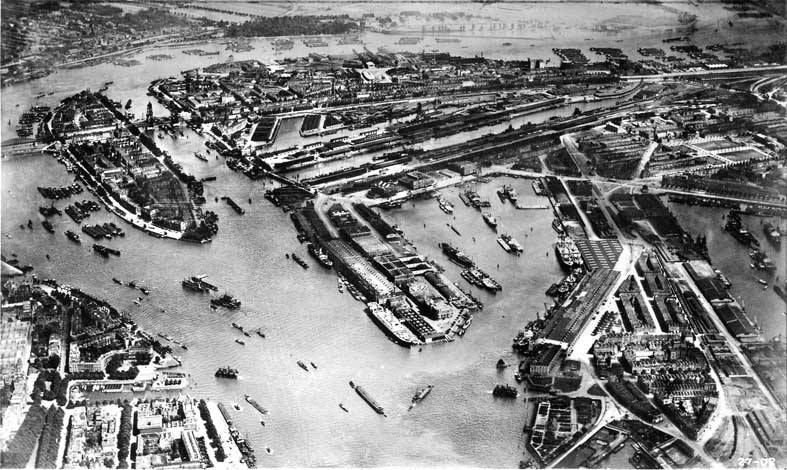
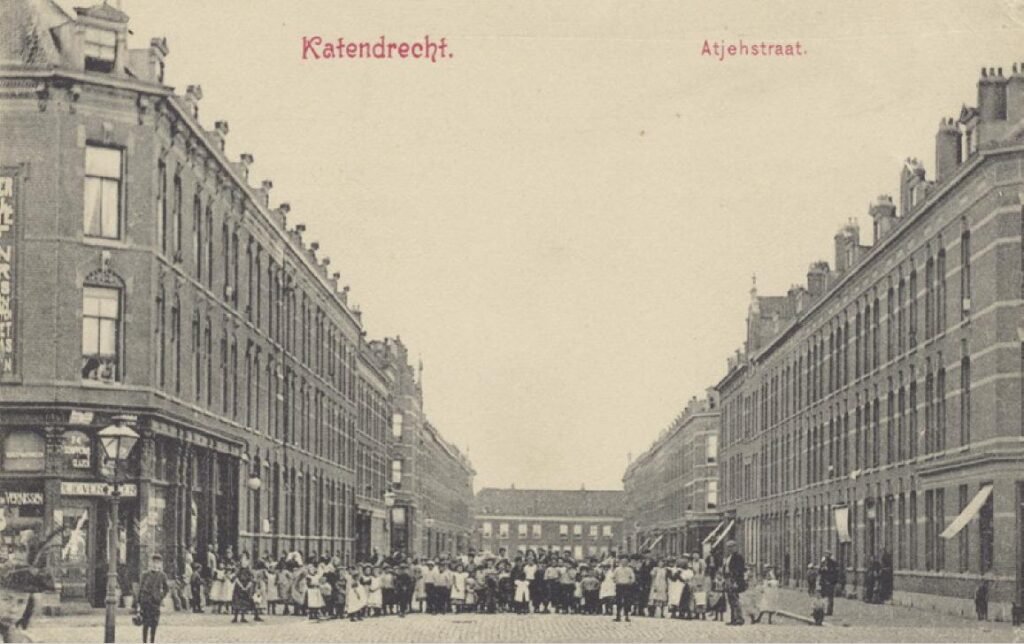
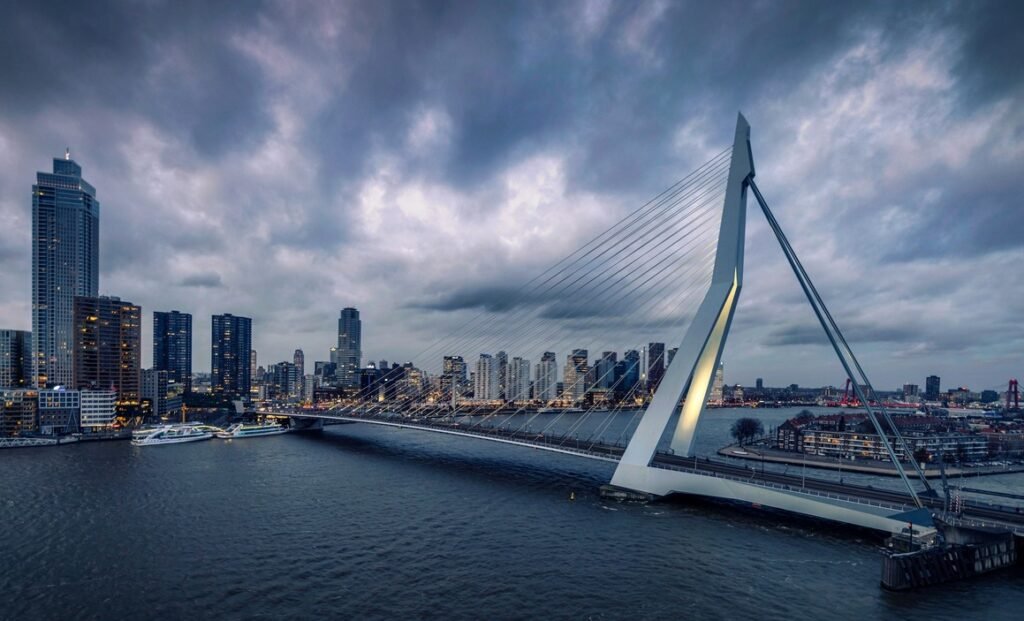
To understand the food, you must first understand the island that birthed it. Long before Rotterdam became celebrated for its modern architecture and gleaming skyline, Katendrecht—popularly known as De Kaap (The Cape)—was a rural village of marshlands and country estates. That changed dramatically between 1887 and 1905 when the municipality excavated the massive Rijnhaven and Maashaven. Cut off from the rest of the city by these deep waters, Katendrecht was transformed into an isolated port peninsula.
It quickly evolved into a grit-soaked, notorious vice district. As one of Europe’s busiest ports, it attracted international steamships packed with transient crews. Sailors, dockworkers, and stokers disembarked looking for cheap lodging, alcohol, and escape. Low rents and a total lack of municipal oversight allowed an underworld to explode around the central Deliplein.
The neighborhood became a chaotic, forbidden zone of raucous sailor pubs, illicit gambling dens, hidden opium rooms, and open prostitution. Street violence was common, and local authorities largely treated the peninsula as a containment zone for maritime vices. It was a hard place for hard men—but it was also the only place where a newly arriving migrant community could find a foothold.
The Peanut Chinese: Survival in the Great Depression (1911–1939)
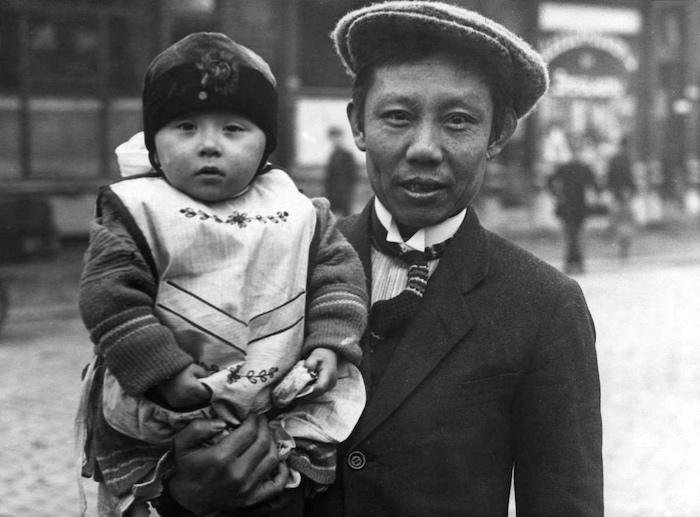
The roots of Europe’s very first Chinatown were planted here during a massive 1911 dockworkers’ strike, when shipping companies brought in Chinese sailors from England as strike-breakers. When the strike ended and economic conditions shifted, many found themselves stranded ashore with no money to return home. Packed into cramped, low-rent boarding houses along Delistraat, they had to fight to survive.
The situation worsened with the onset of the Great Depression in the 1930s. As global trade collapsed, shipping crews were laid off en masse, leaving hundreds of Chinese men in Katendrecht entirely destitute and locked out of the formal Dutch labor market.
Driven by absolute necessity, these men looked to the culinary arts as their only lifeline. Long before they could afford brick-and-mortar restaurants, they took to the cobblestone streets. Resourceful migrants began baking small, inexpensive treats—most notably sweet, roasted peanut cookies. Carrying large trays or baskets through the damp Rotterdam streets, they sold these homemade snacks on windy corners for mere cents to working-class locals.
The sight became so ubiquitous that the public affectionately dubbed them the “Pindachinezen” (Peanut Chinese). These humble peanut cookies were a critical historical bridge: they not only kept an impoverished community fed, but they also slowly accustomed the skeptical native Dutch population to accepting food from Chinese hands.
Chong Kok Low: A Restaurant Built on Community Money
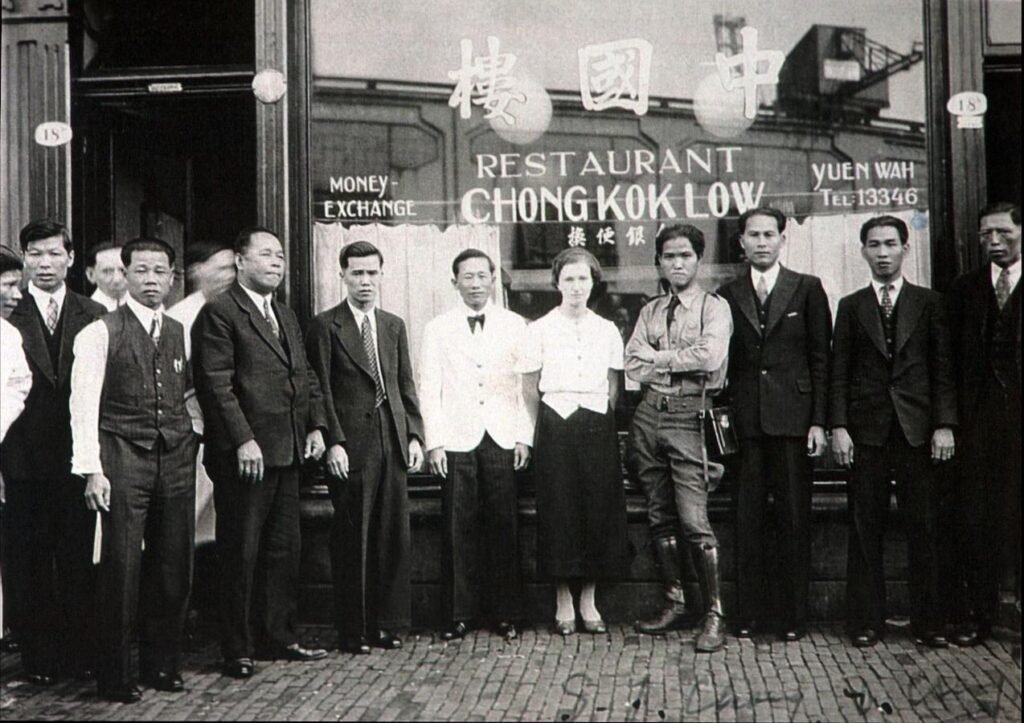
In 1920, an enterprising group of Chinese migrants decided to build a place to feed the growing community, establishing the legendary restaurant Chong Kok Low at Delistraat 24.
In a neighborhood plagued by poverty, opening a restaurant was impossible for one person alone. Instead, it was erected through a traditional, collective system driven entirely by community trust. As Jim Tsang, whose father was one of the owners, later recalled: “The Chinese pooled money together as a group. It all happened without contracts. As soon as money was earned, it was divided among them. That could sometimes take years.”
This unwritten pact funded the kitchen woks and tables, creating a vital sanctuary and a home away from home where stranded sailors and harbor workers could find authentic Cantonese comfort food. Over time, the rich aromas of ginger, garlic, and five-spice caught the attention of local Dutch dockworkers. Attracted by the massive portions and cheap prices, they began stepping inside—crossing a culinary bridge between two completely different worlds.
The “Vernederlandsing” (Dutchification) of the Menu
The true turning point occurred in the late 1940s and 1950s. Following the independence of Indonesia, a massive wave of Indo-Dutch repatriates, colonial veterans, and Chinese-Indonesian migrants arrived in Rotterdam. These newcomers deeply missed the bold, fiery flavors of the tropics, creating a massive new market demand.
Chinese restaurateurs quickly pivoted. To bridge their kitchen gaps, they hired Indonesian women—locally known as kokkies—to teach Chinese wok chefs the art of Indonesian flavor bases (bumbus).
As the popularity of these restaurants grew, they began attracting native Dutch diners. To ensure the food was approachable for a public accustomed to a diet of boiled potatoes and simple gravies (jus), restaurants systematically adapted their offerings:
- Flavor Profiles: Chefs toned down the intense heat of Indonesian sambal and increased the sweetness and thickness of sauces to match Dutch preferences.
- Local Invention: Dishes like Babi Pangang were transformed into local inventions; while based on Cantonese roasted pork techniques, the meat was smothered in a thick, sweet-and-sour red sauce made from tomato, sugar, and ginger.
- Portion Sizes: In a significant departure from Asian dining traditions, which favor shared smaller dishes, restaurants introduced large, generous portions of fried rice, noodles, and meat to provide perceived value for Dutch customers.
The Anatomy of a Dutch-Fusion Icon: Babi Pangang
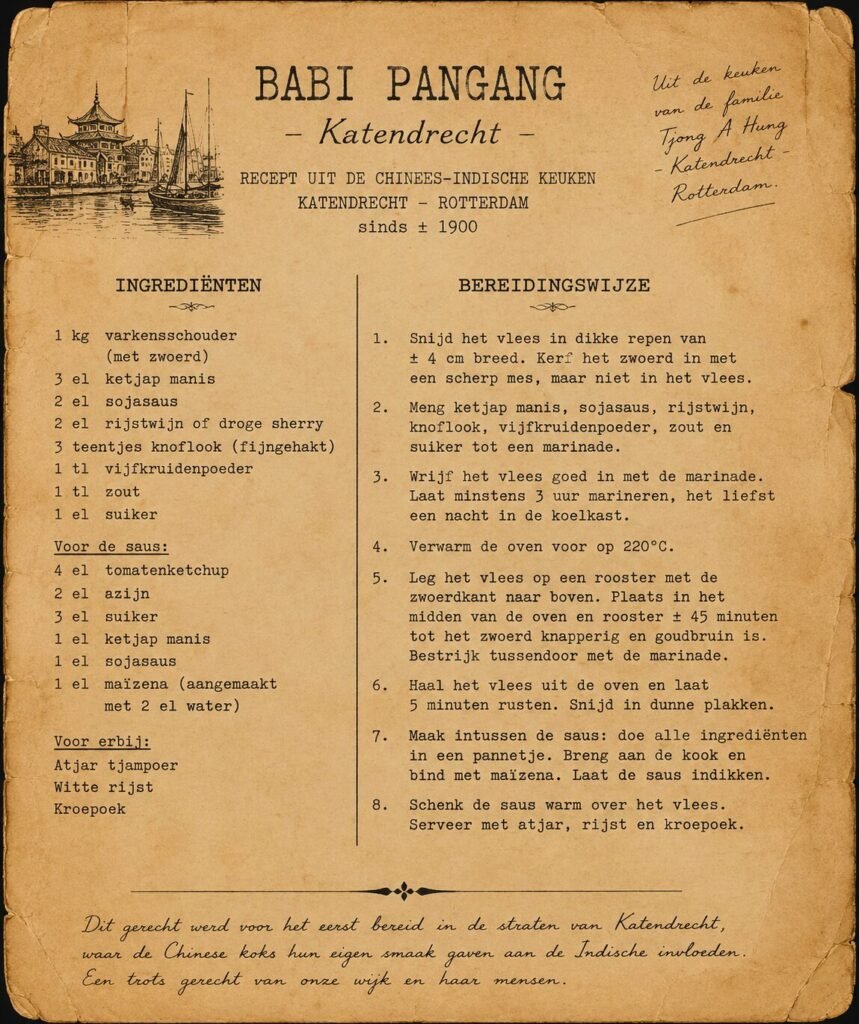
| Component | Ingredient | Chinese Roots (Cantonese) | Indonesian Roots (Indische) | Dutch Adaptation / Add-on |
| The Meat | Pork Belly / Shoulder | ✓ (Char Siu / Siu Yuk) | ||
| The Prep | Crispy Deep-Frying | ✓ (Adapting pork rind crispness) | ||
| The Base | Ginger & Garlic | ✓ | ✓ | |
| The Sauce | Tomato Puree / Ketchup | ✓ (Replaces Chinese hawthorn fruit) | ||
| The Sauce | Massive amounts of Sugar | ✓ (Caters to the Dutch sweet tooth) | ||
| The Sauce | Ketjap Manis (Sweet Soy) | ✓ | ✓ (Combination element for depth) | |
| The Bed | Atjar Tjampoer | ✓ (Pickled cabbage side) | ✓ (Used as a bed to cut through the grease) |
A National Tradition
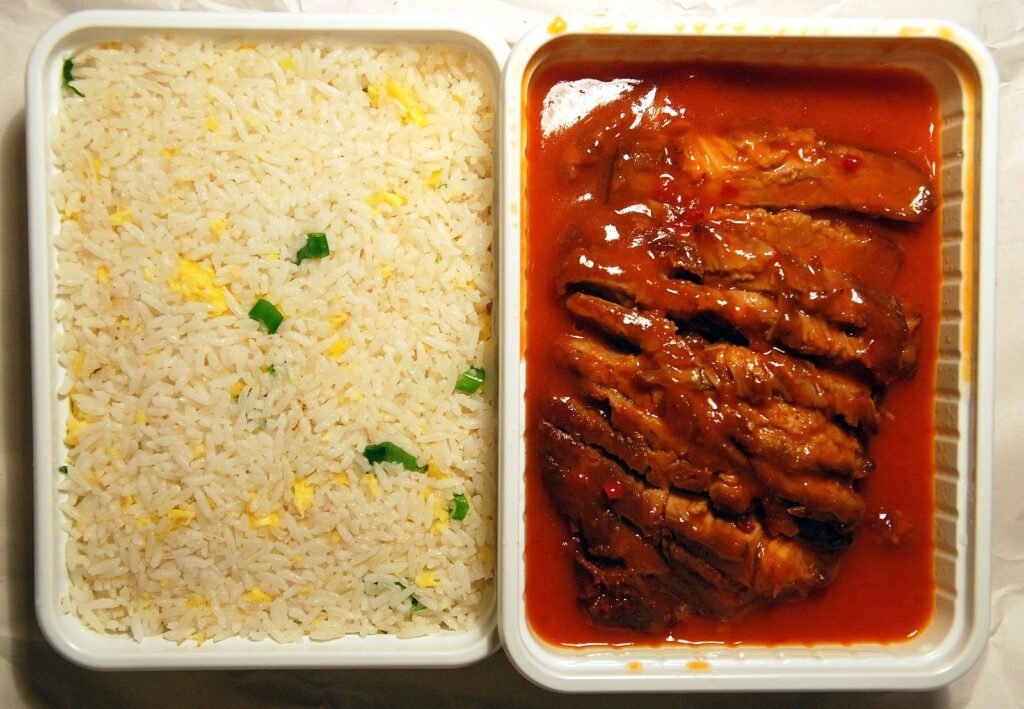
By the 1980s, the afhaalchinees (Chinese takeaway) had become a fundamental part of the Dutch lifestyle, with over two thousand establishments operating across the country. This cuisine remains a powerful symbol of Rotterdam’s history—a city rebuilt from destruction that embraced migration and change. Today, when Dutch families enjoy these meals, they are not merely eating dinner; they are participating in a century-long tradition of cultural exchange that began in the harbor kitchens of Katendrecht.