When Holidays Hit a Wall: Why Sleep Became The New Destination
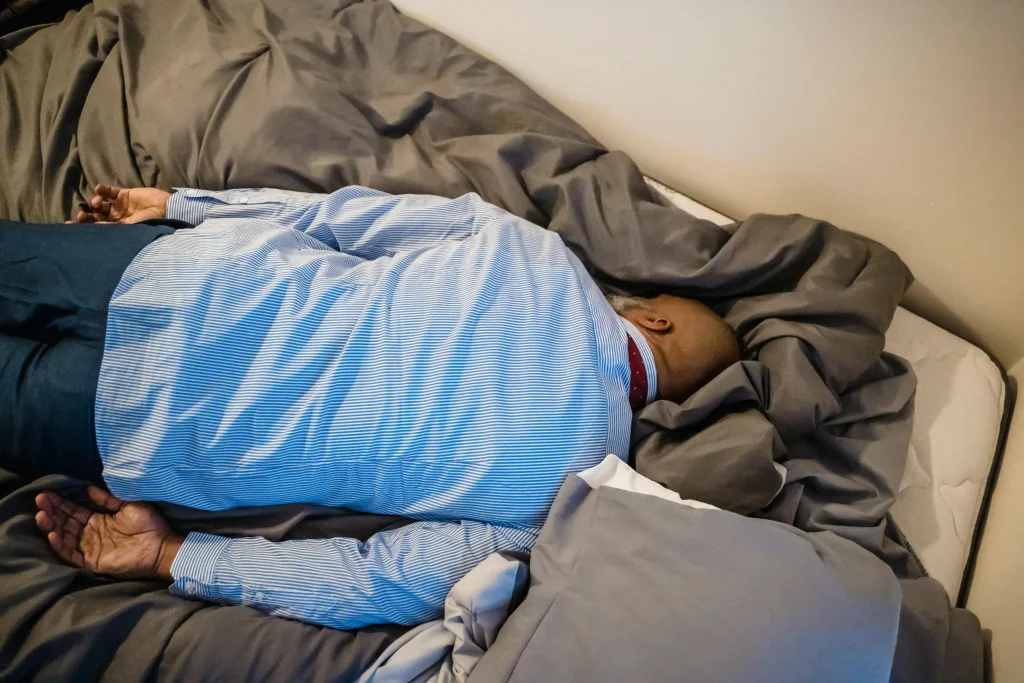
For decades, the promise of a holiday was simple: escape, stimulation, and more—more places, more photos, more movement. But by the summer of 2025, something quietly broke. Across overheated Mediterranean cities and flood-prone streets in Southeast Asia, travelers returned home not refreshed, but drained. What was once marketed as a dream trip had started to feel like an endurance test—and quietly gave rise to a new idea in travel: sleep tourism. This was the moment when holidays hit a wall. Not a symbolic one—but a physical, climatic, and human limit.
Heat, Crowds, and The Collapse of Tolerance
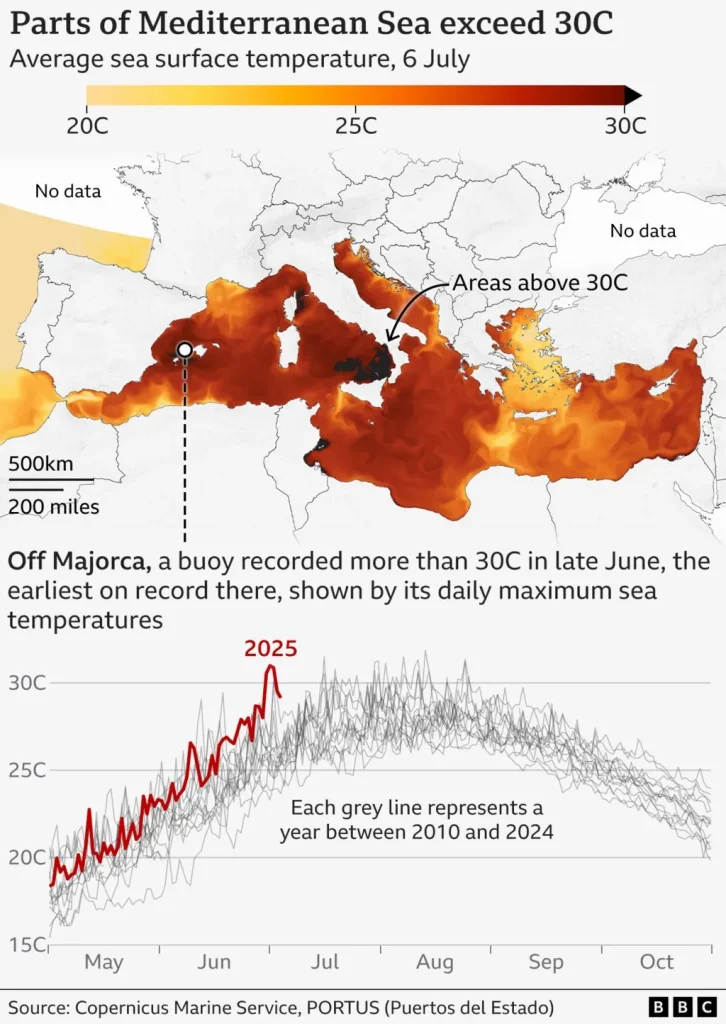
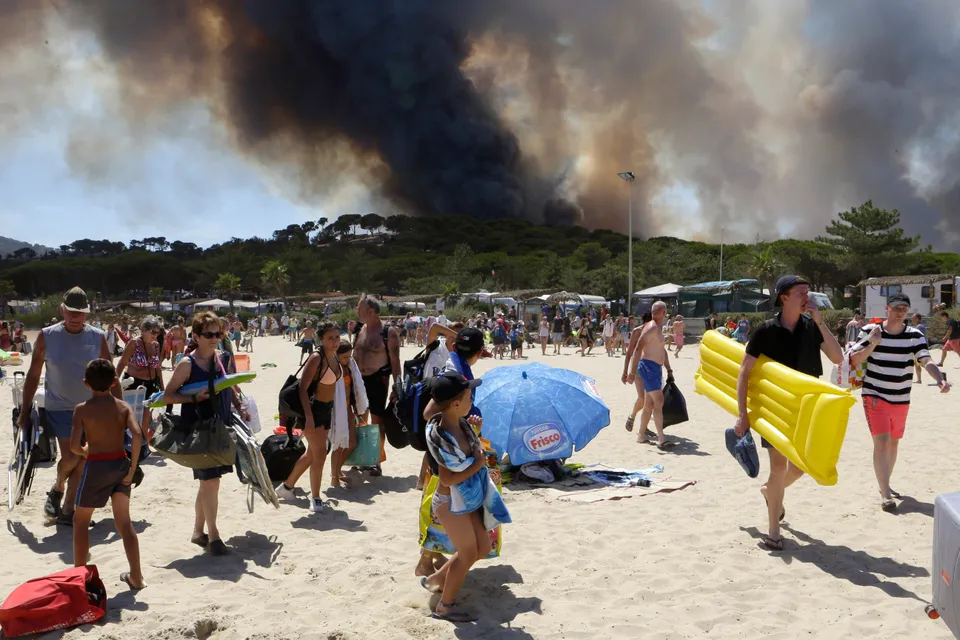
Extreme heat was the first barrier. In parts of southern Europe, “feels-like” temperatures pushed close to 50°C, turning the classic summer escape into a health risk rather than a pleasure. Heat stopped being an inconvenience and became a safety concern.
At the same time, overtourism intensified social and environmental pressure inside cities already struggling with housing, noise, and shrinking public space. Visitors increasingly found themselves sleeping in the middle of residential conflict zones, where night-time sound levels regularly exceeded what the human body can recover from.
The emotional shift was subtle but widespread. Travelers were not only uncomfortable. They were overstimulated, overheated, and socially compressed.
And then came what analysts describe as a deeper breaking point: the collapse of tolerance for depletion itself. High-intensity, multi-stop travel is now in decline. Longer stays in calmer, low-stimulation places are rising rapidly. People did not stop traveling. They stopped accepting exhaustion as the cost of movement.
The Thermal and Fiscal Ceiling of Tourism
By 2026, industry observers began using a new term to describe what was happening across global tourism systems: the thermal and fiscal ceiling. It refers to the point where climate stress, rising costs, and human limits collide so completely that the old holiday model can no longer function. Flights, hotels, and attractions still operate—but the promise they were built on no longer holds.
The twentieth-century holiday was designed around frictionless consumption: cheap mobility, dense itineraries, constant stimulation, and the assumption that rest could be postponed.
That assumption has reached its limit. When holidays hit a wall, it is not because people lost curiosity about the world. It is because the body can no longer absorb the way travel has been structured.
When Recovery Becomes The Real Destination
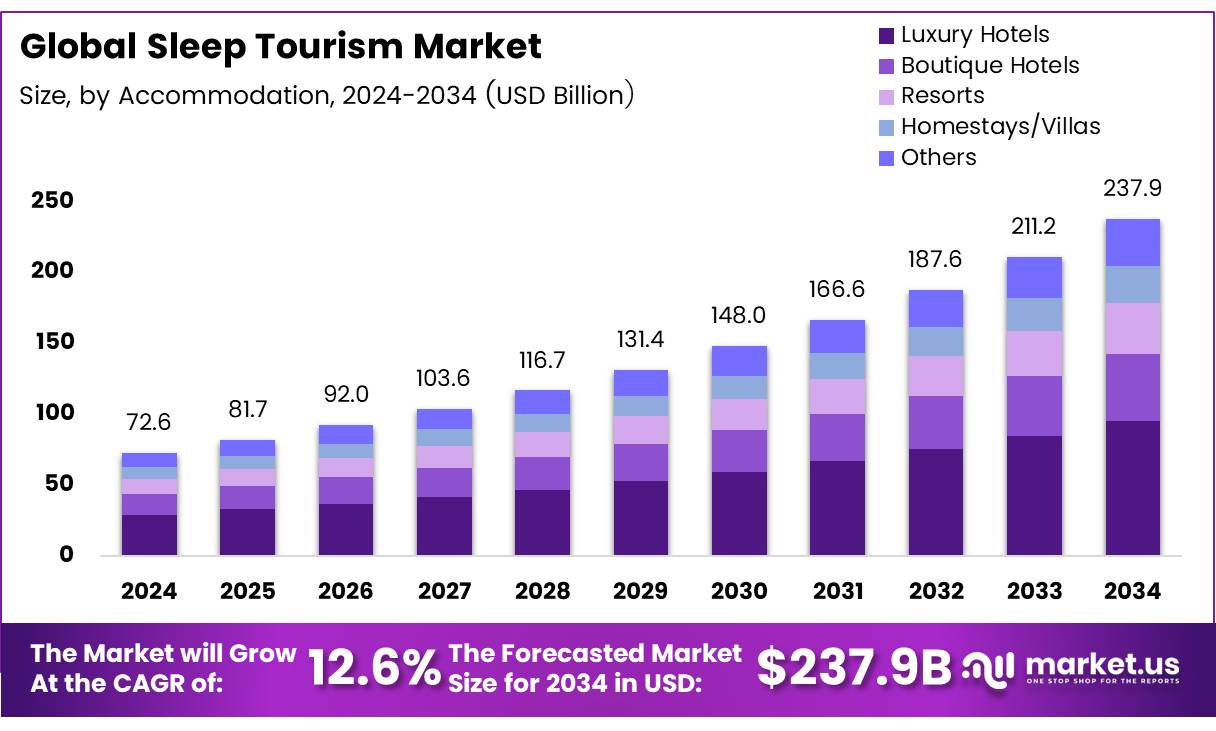
As this ceiling becomes visible, a quiet reversal is taking place. For the first time, rest has overtaken sightseeing as a primary motivation for travel. What travelers are now buying is not access, novelty, or even beauty.
They are buying recovery. Sleep—once treated as the passive space between activities—has become the central purpose of the stay. Not as indulgence, but as repair. This is not a wellness trend. It is a physiological response to environmental stress.
The hospitality industry has responded not with new aesthetics, but with environmental engineering.
Rooms are now designed around circadian stability rather than visual drama. Light exposure is controlled to support natural sleep cycles. Temperature settings are calibrated to physiological recovery ranges. Acoustic environments are engineered to reduce unpredictability—the sudden sounds and vibrations that quietly disrupt rest.
Even in-room food has changed. Minibars once centered on sugar and alcohol are being replaced with hydration formulas and stress-recovery support.
Luxury, in 2026, is not stimulation. It is coherence between the body and its surroundings.
A New Geography of Comfort
As the geography of comfort shifts, certain regions are emerging as global benchmarks for restorative travel—places that prioritize cool air, silence, and low sensory load.
The High-Altitude Reset: Swiss Alps
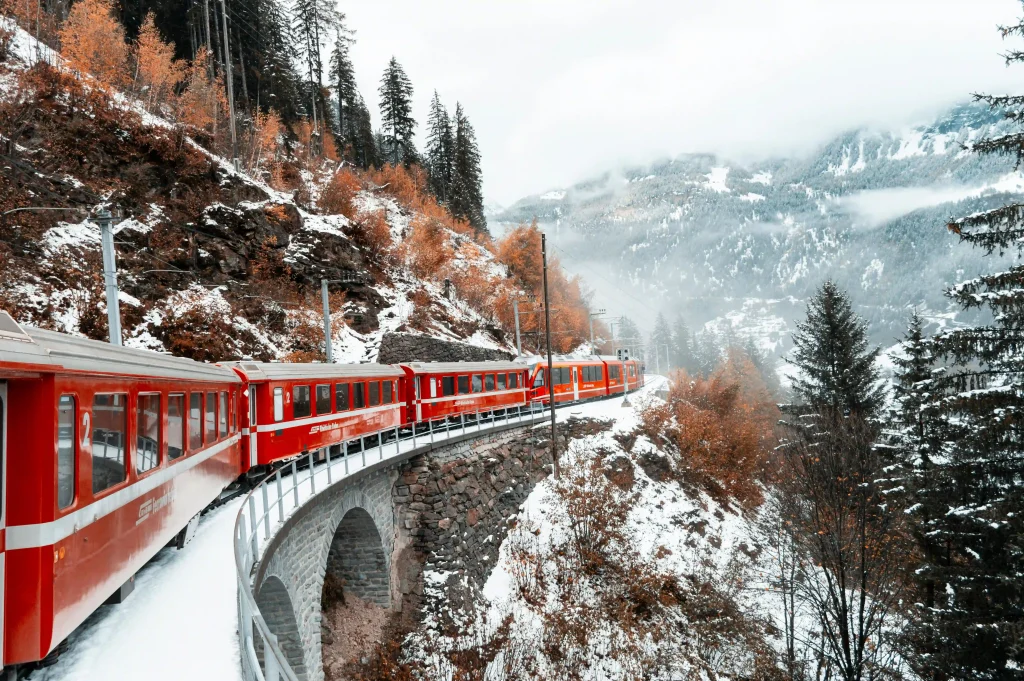
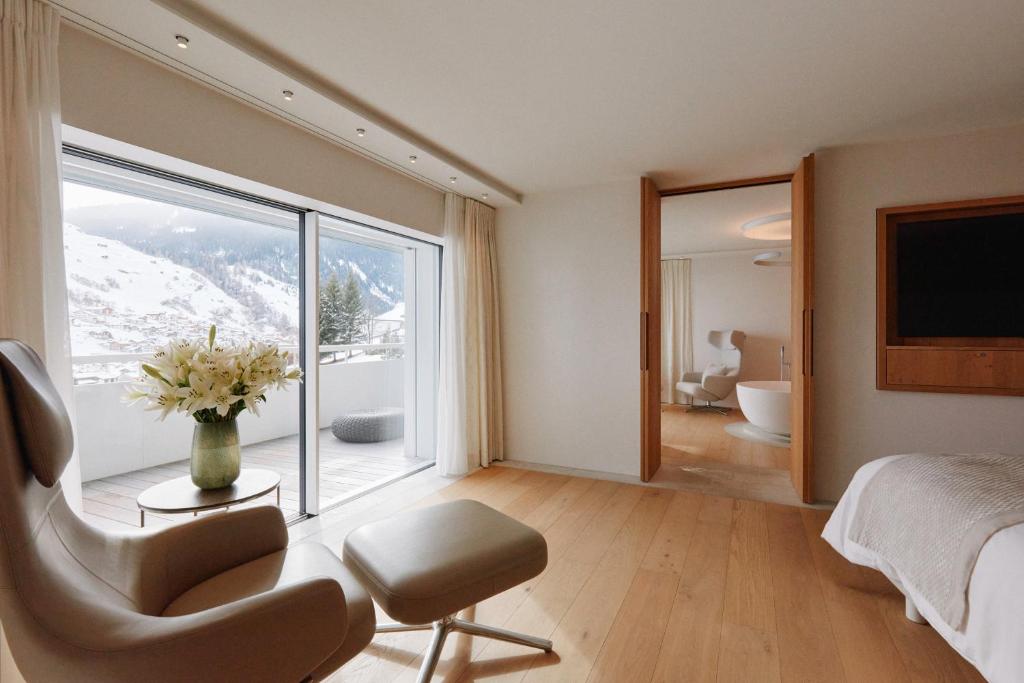
With the rise of the “coolcation,” alpine regions have seen summer bookings climb sharply. Properties such as 7132 Hotel in Vals exemplify the movement, using locally sourced quartzite and minimalist design to create near-monastic acoustic and thermal stability.
The Recalibrated Coast: Ibiza
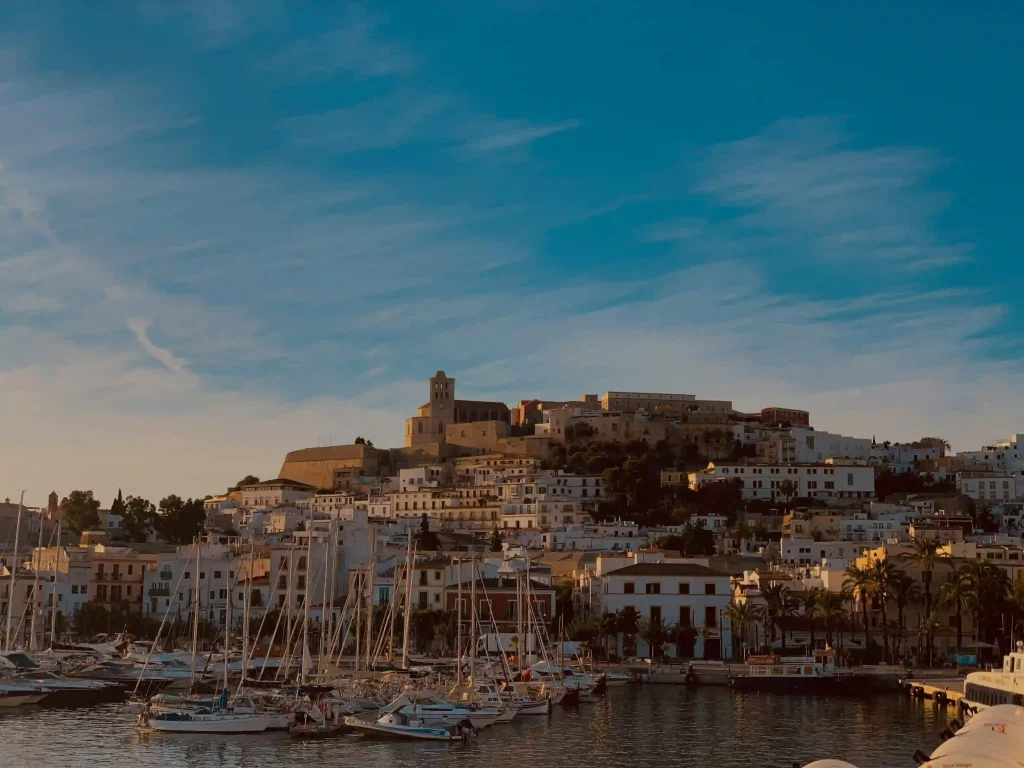
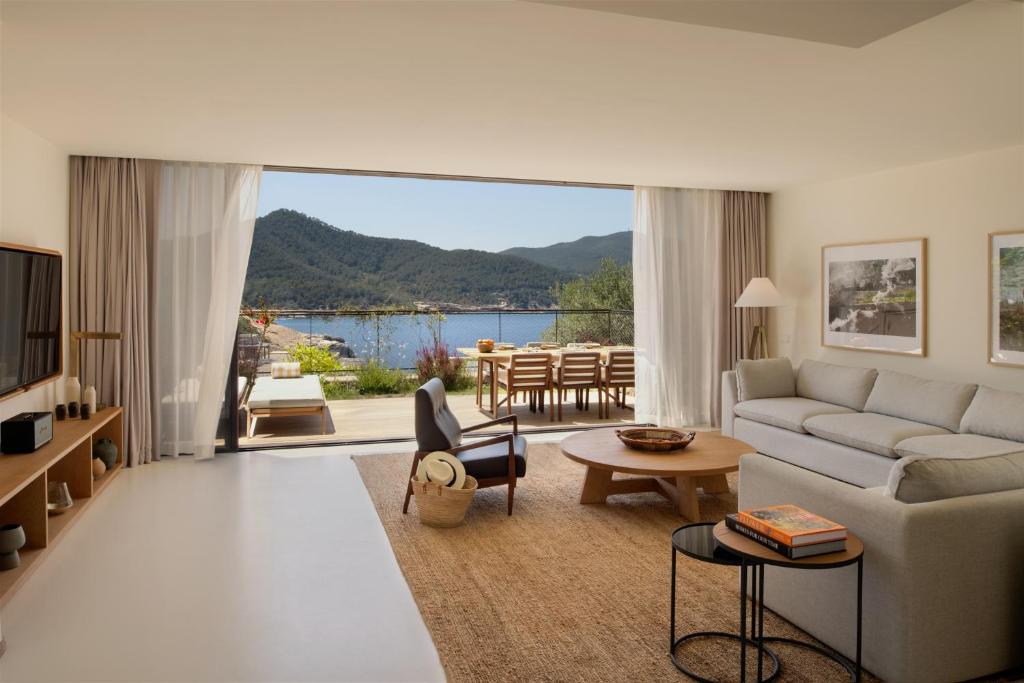
Once synonymous with noise, Ibiza has quietly repositioned itself around longevity and recovery. Programs like Sleep with Six Senses blend circadian diagnostics, oxygen therapy, and digital detox protocols, attracting travelers seeking repair rather than release.
The Forest Standard: Hokkaido, Japan
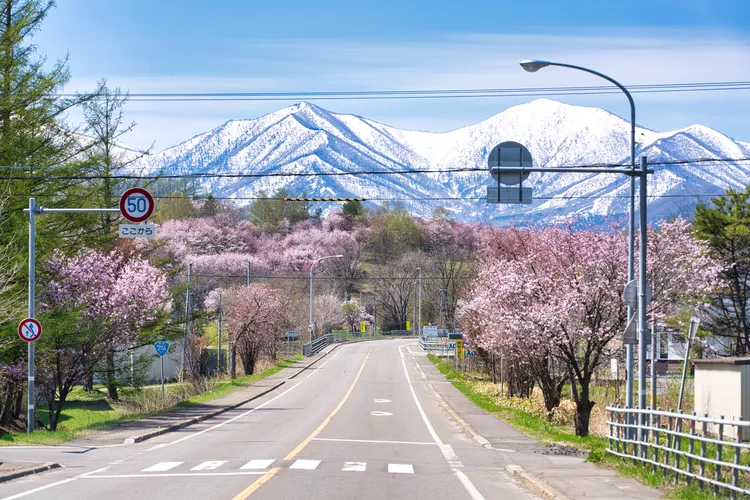
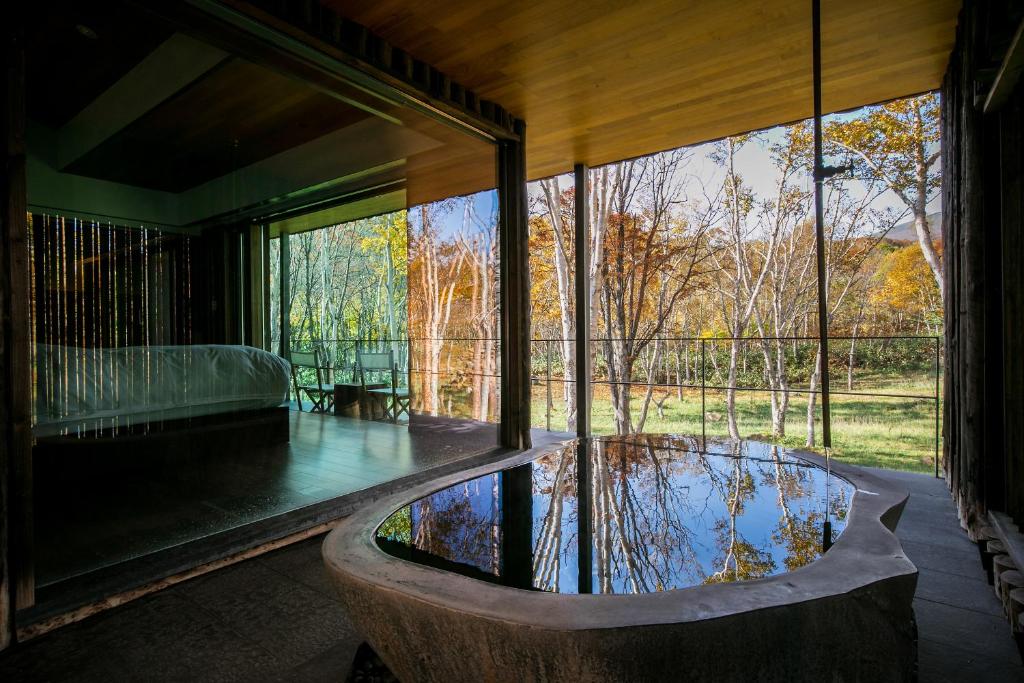
In northern Japan, shinrin-yoku (forest bathing) has been integrated into architectural practice. At properties such as Zaborin, buildings are aligned with natural light cycles, allowing moonlight, wind, and forest acoustics to guide sleep without technological interference.
Across these regions, the pattern is consistent: silence is no longer an absence. It is a feature.
The New Return on Investment
In the old travel economy, success was measured in distance covered and images collected. In 2026, the metric has changed.
The real return on investment is your resting heart rate on the Tuesday morning you return to work.
Travel is no longer an escape from life. It has become a tool for sustaining it. And in an era defined by heat, noise, and economic pressure, the most valuable destination may simply be the place where your body finally gets to rest.