Exploring the Magic and History of Christmas Markets in Europe
When winter settles over Europe, something extraordinary begins to glow across its towns and cities. Cobblestone squares become tapestries of twinkling lights. The scent of roasted chestnuts drifts between old façades. And crowds—bundled in scarves and rosy-cheeked from the cold—wander through a tradition that has lasted for centuries: Christmas markets in Europe.
The Origins: From Medieval Fairs to Modern Magic
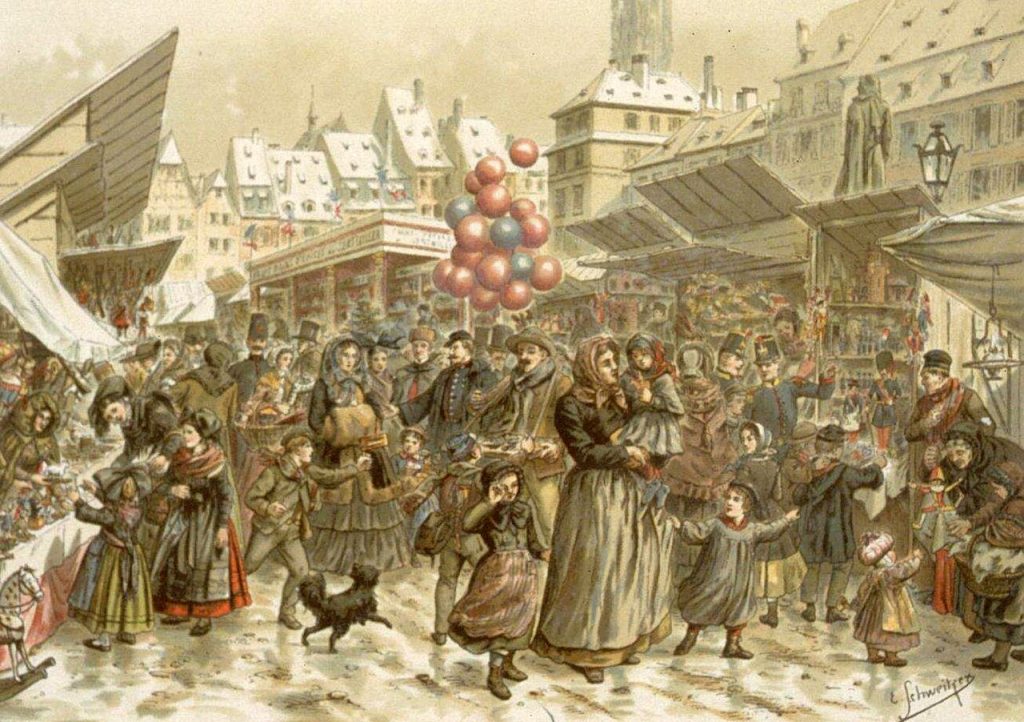
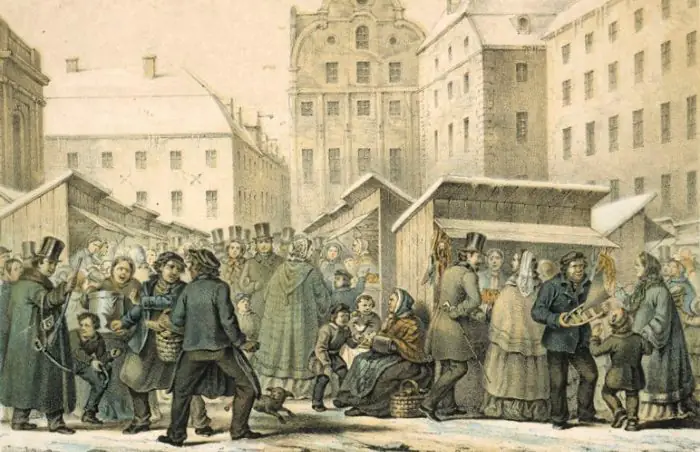
The history of Christmas markets in Europe stretches back more than 700 years, and one of the earliest known examples comes from Vienna. As early as 1296, the city was granted permission by Duke Albrecht I to hold a “Dezembermarkt”—a practical winter fair where townspeople stocked up on essential goods before the harsh season set in. Over time, this gathering evolved into a beloved seasonal custom filled with lights, crafts, and warm drinks that reflected Vienna’s cultural life.
Although Vienna’s market is the earliest, the modern idea of the Christmas market is often said to be “rooted in Germany.” That’s because the festive elements we now associate with Christmas markets—wooden stalls, mulled wine, gingerbread, ornaments, and Advent traditions—were developed and popularized in the German-speaking regions during the 15th and 16th centuries. Markets in places like Dresden, Nuremberg, and Munich shaped the look and atmosphere that spread across Europe, forming the template for today’s holiday fairs.
Following Vienna’s early example, one of the most influential markets emerged in Dresden, first documented in 1434. Originally a one-day winter market, it gradually transformed into the lively Striezelmarkt known for its Stollen bread, handmade toys, and festive performances.
In Nuremberg, the Christkindlesmarkt grew in the 16th century, adding wooden toys, baked apples, and spiced gingerbread that became iconic to the region. These traditions—rooted in community and craftsmanship—helped define the cozy, glowing spirit that now feels inseparable from Europe’s winter season.
The Alsace region, blending French and German heritage, soon developed its own distinctive flavor with wooden ornaments, vin chaud, and storybook towns illuminated for Advent.
Today, Christmas markets across Europe continue to blend centuries-old customs with modern winter magic—reminders that even in the coldest season, community and celebration endure.
Where to Go: Europe’s Most Charming Christmas Markets
1. Germany – The Heart of the Tradition
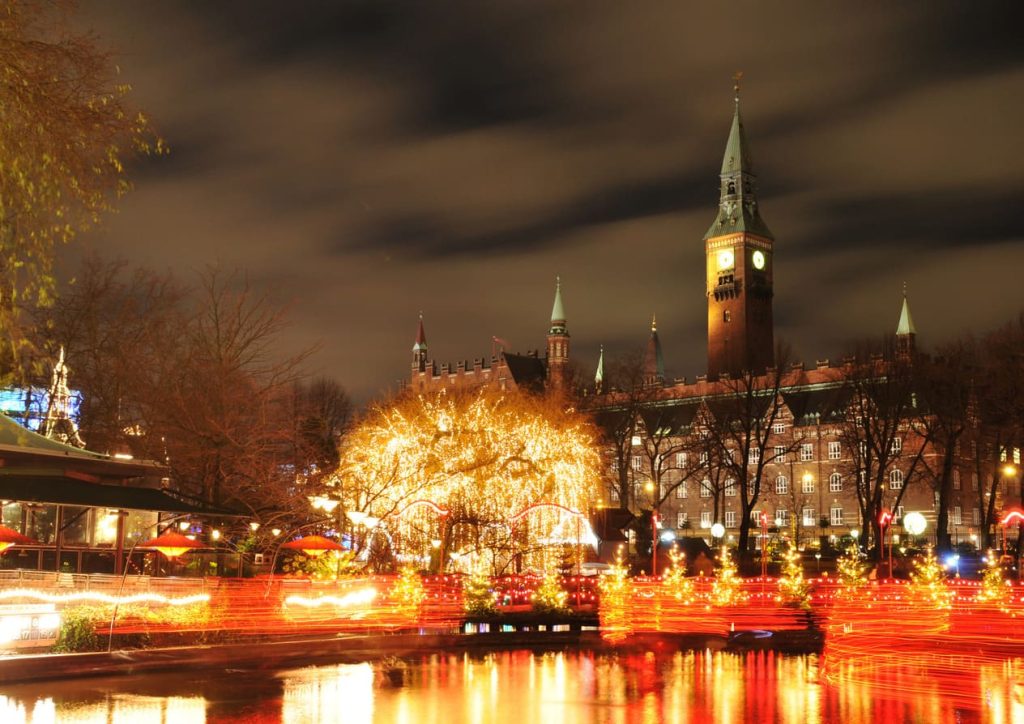
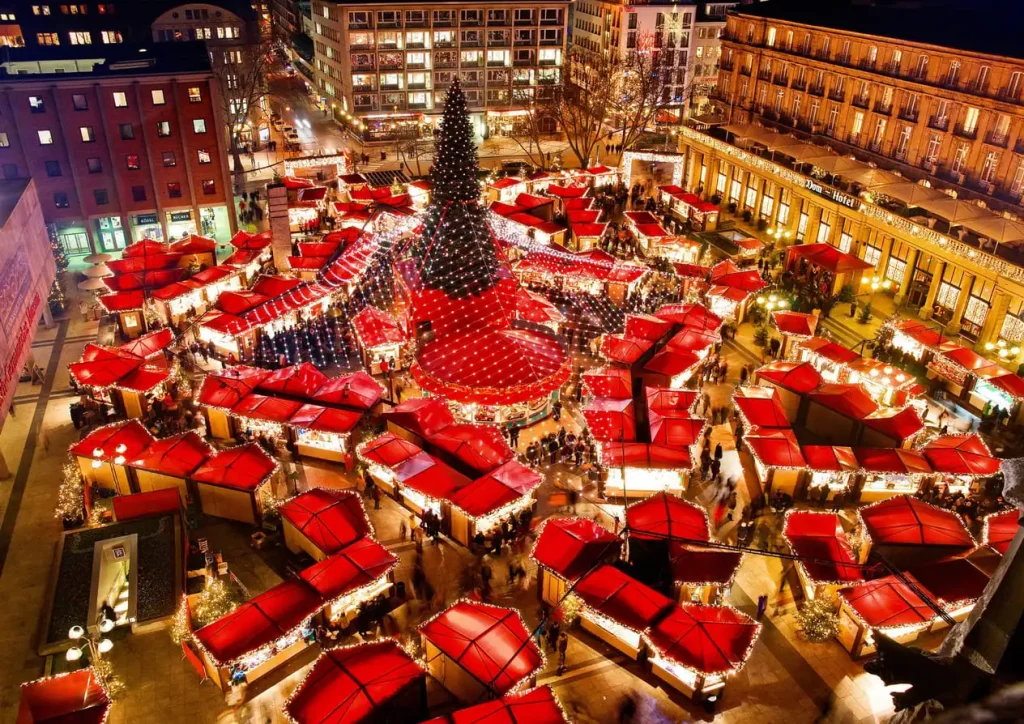
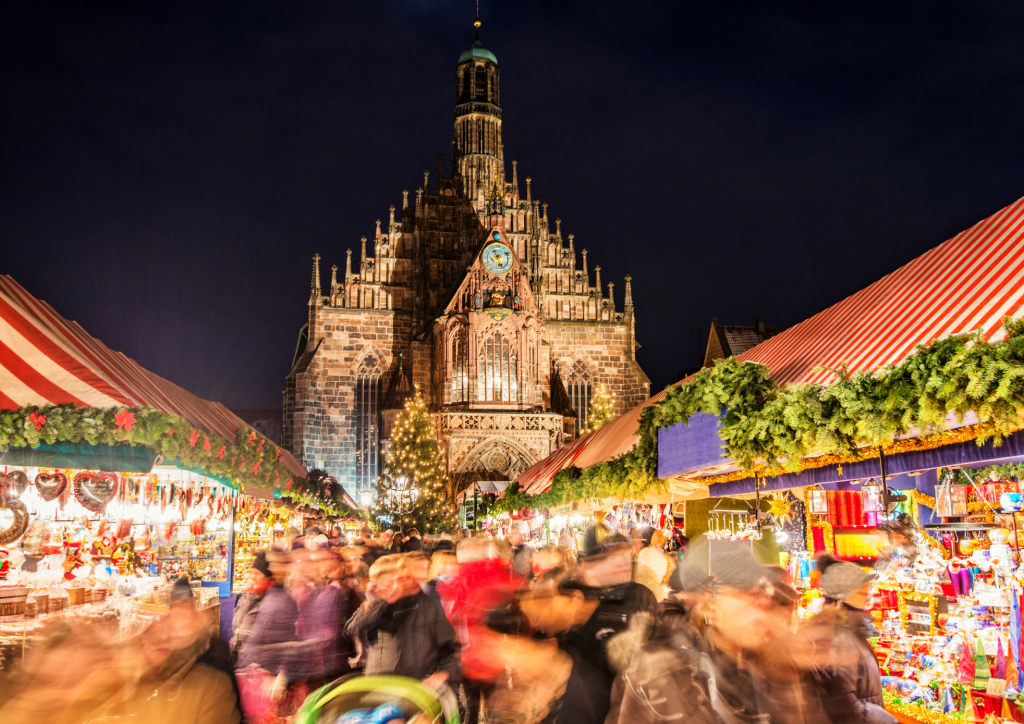
If Christmas markets had a spiritual home, it would be Germany. Almost every city—from Berlin to Hamburg—hosts multiple markets, but a few stand above the rest.
Nuremberg Christkindlesmarkt
One of the most famous Christmas markets in Europe, its highlight is the appearance of the Christkind, a golden-robed angel who opens the festivities. Expect wooden toys, traditional prune figurines, and the classic Nuremberg gingerbread.
Dresden Striezelmarkt
Known for its towering Stollen pyramid, candle arches, and traditional miners’ crafts from the Ore Mountains. A perfect stop for those who enjoy deep-rooted traditions.
Cologne Christmas Market
Multiple themed markets set against the backdrop of Cologne Cathedral, with lively performances and riverside stalls along the Rhine.
2. Austria – Elegance Under the Snow
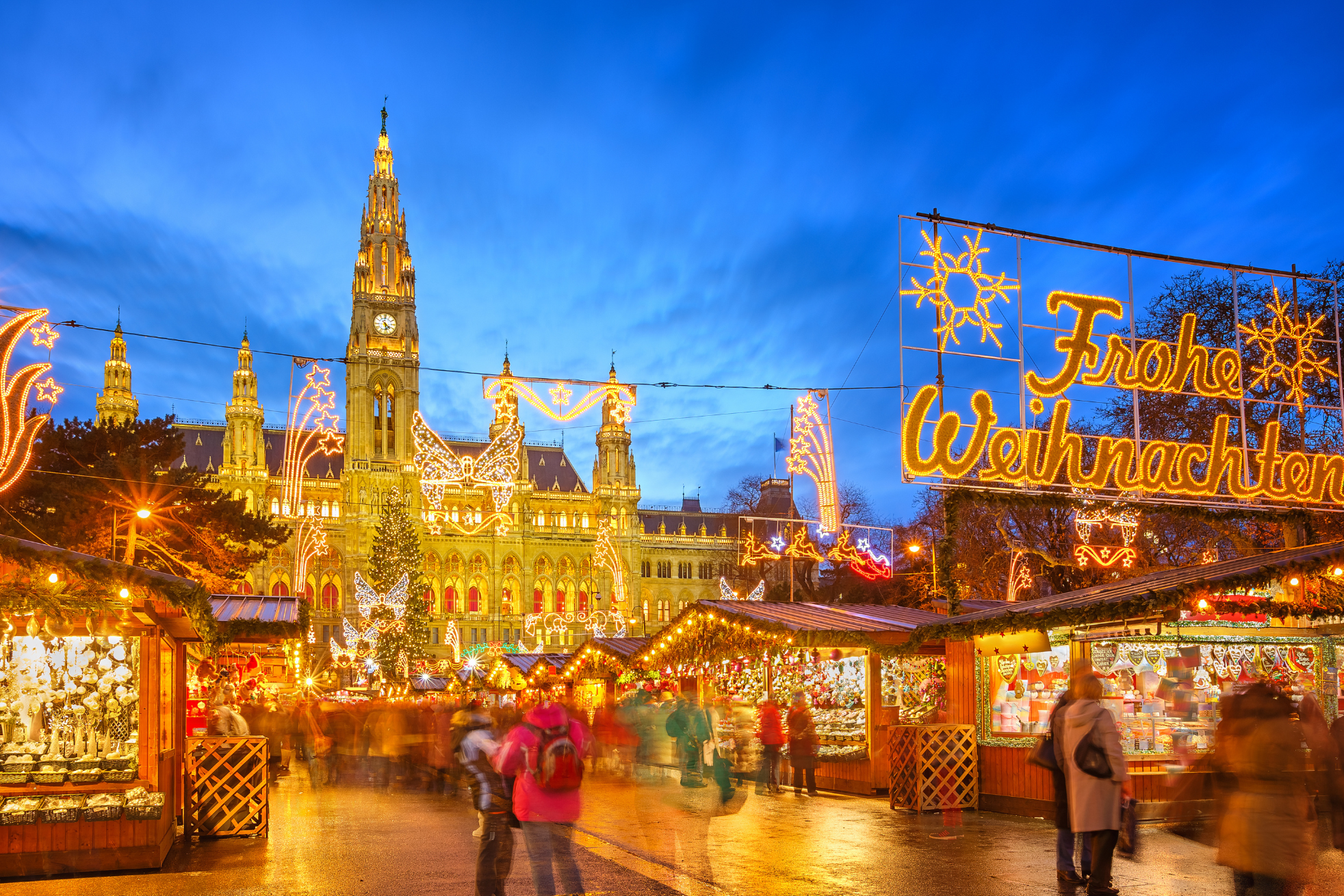
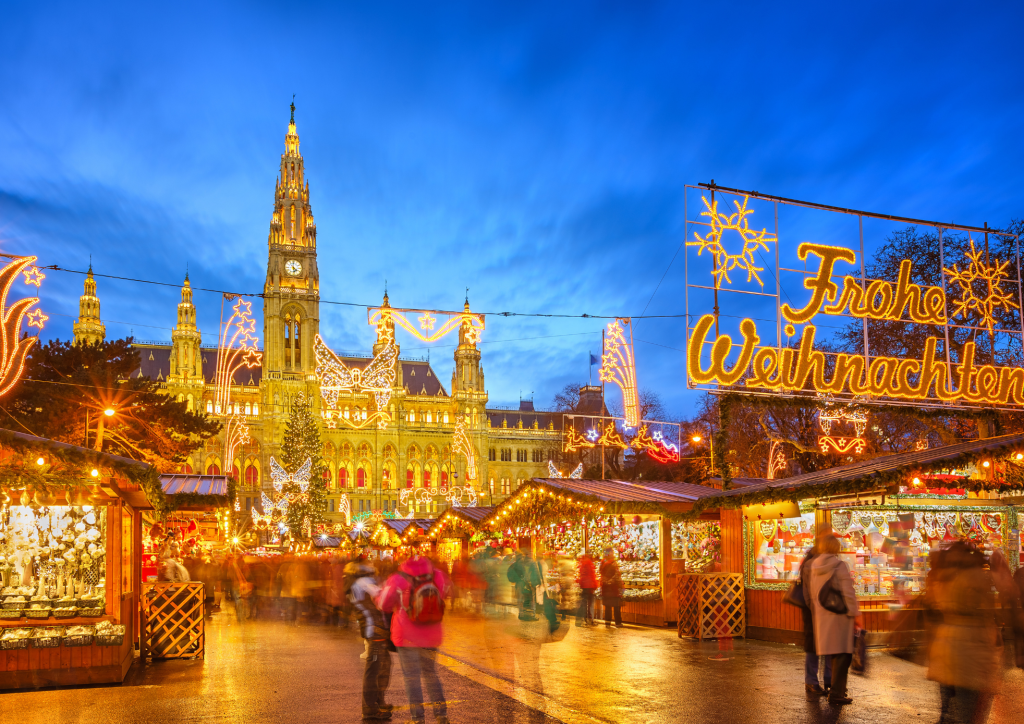
Vienna Christmas Dream at Rathausplatz
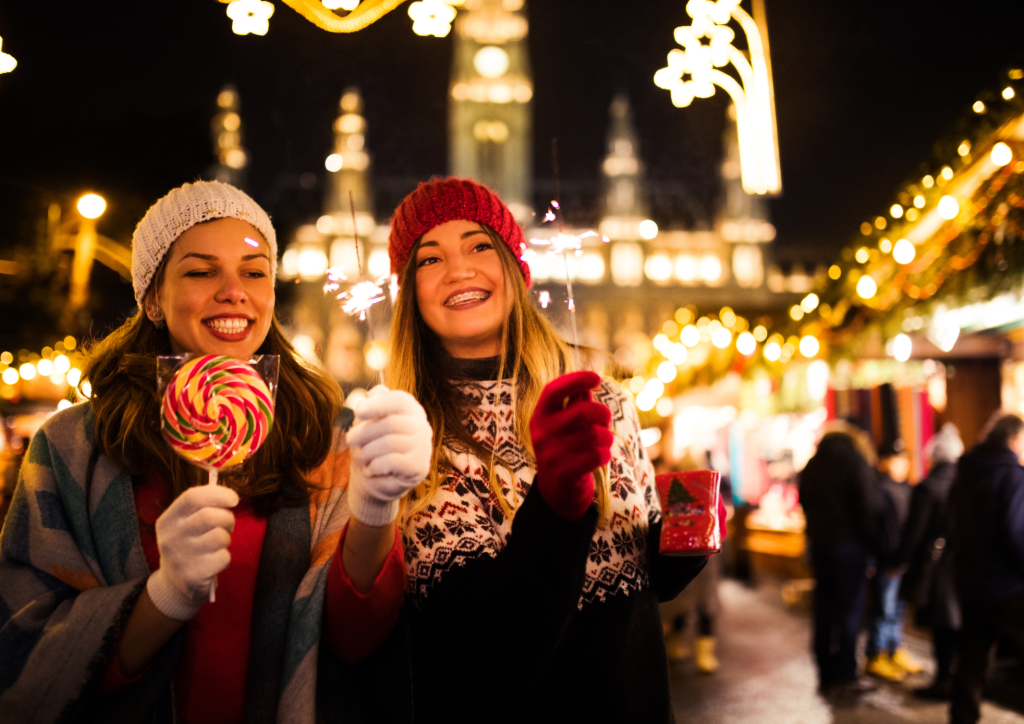
This fairy-tale market transforms Vienna’s grand town hall square into a glowing village. It’s known for Viennese pastries, romantic light installations, ice rinks, and high-quality handmade crafts.
Salzburg Christmas Market
Situated near the cathedral, this market echoes centuries-old Alpine charm. The sound of choirs and Mozart’s hometown atmosphere enhance the experience.
3. France – Alsace, Where Christmas Feels Like a Storybook
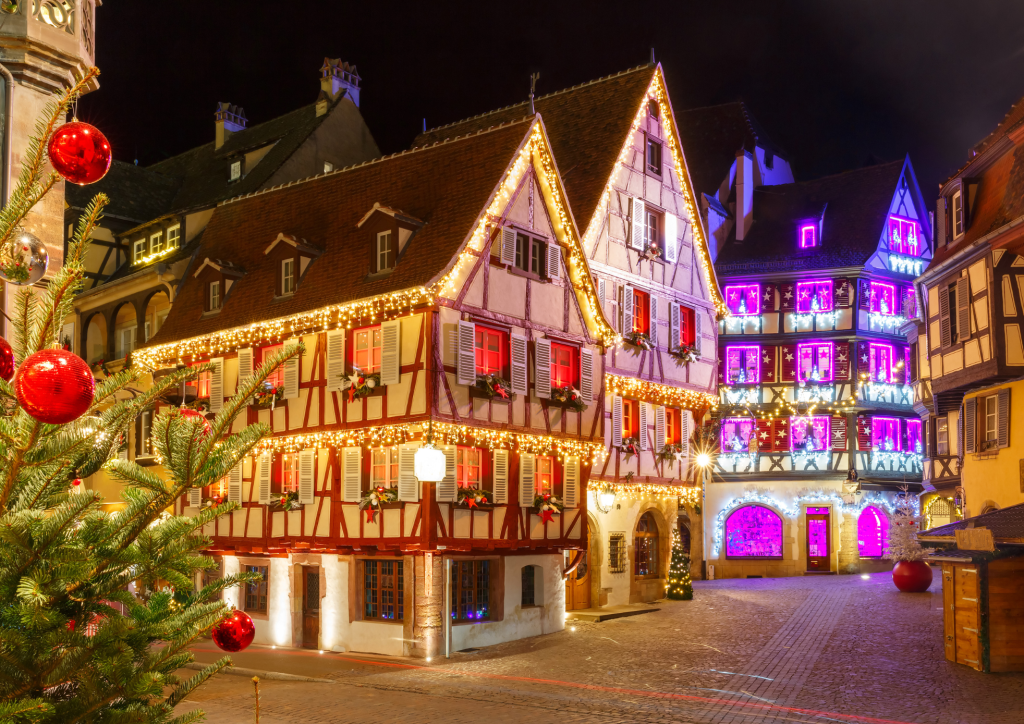
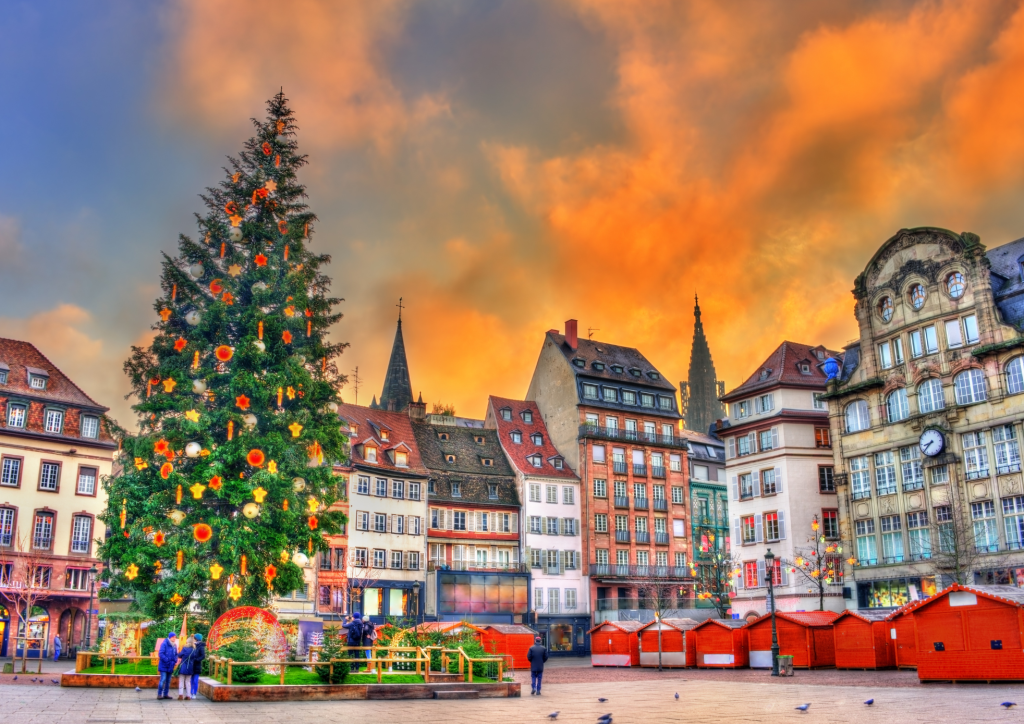
Strasbourg – “Capital of Christmas”
Strasbourg’s Christmas market is one of Europe’s oldest and most atmospheric, with half-timbered houses, illuminated streets, and stalls offering Alsatian specialties like bredele cookies and spiced wines.
Colmar Christmas Market
With canals reminiscent of a small Venice and postcard-perfect medieval architecture, Colmar’s markets feel like stepping into a Christmas fairy tale.
4. Switzerland – Alpine Charm and Luxury Touches
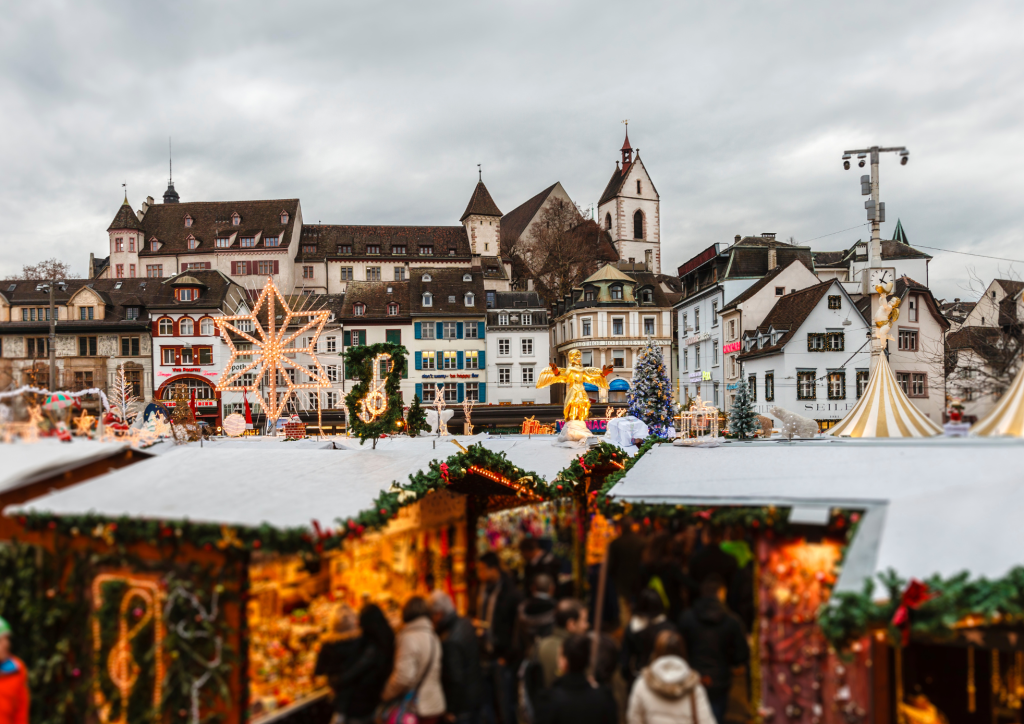
Basel Christmas Market
Often ranked among the best Christmas markets in Europe, Basel offers elegant stalls, world-class chocolate, and wonderfully preserved old-town streets.
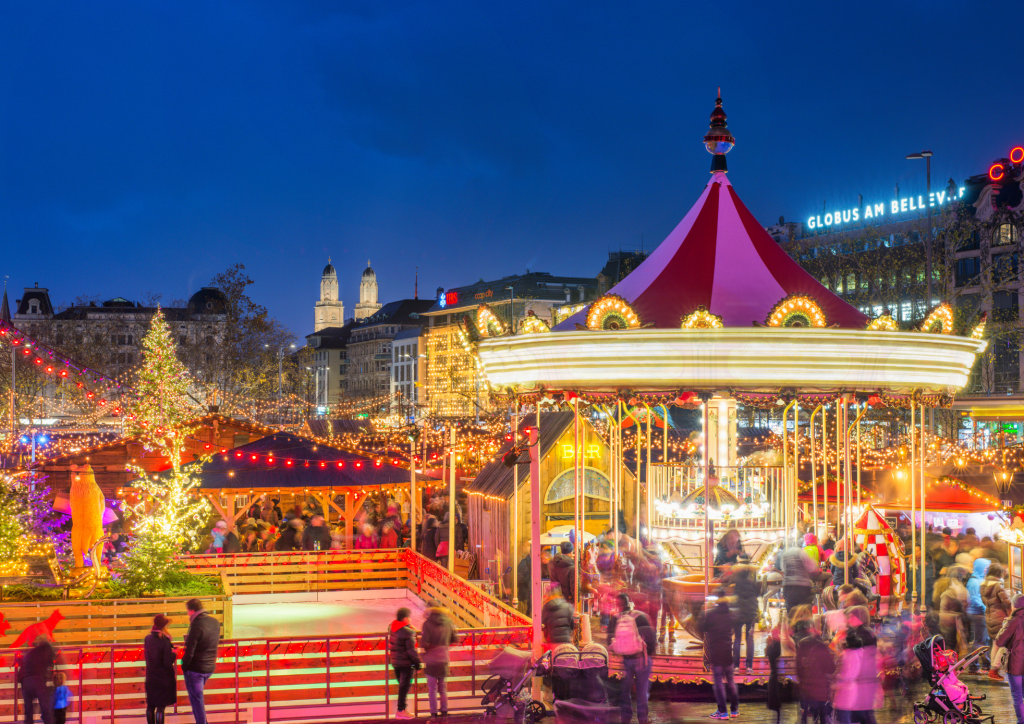
Zurich Christkindlimarkt
Famous for its 25-foot Christmas tree covered in Swarovski crystals, this indoor market is perfect for cold days.
5. Eastern Europe – Hidden Gems and Lower Crowds
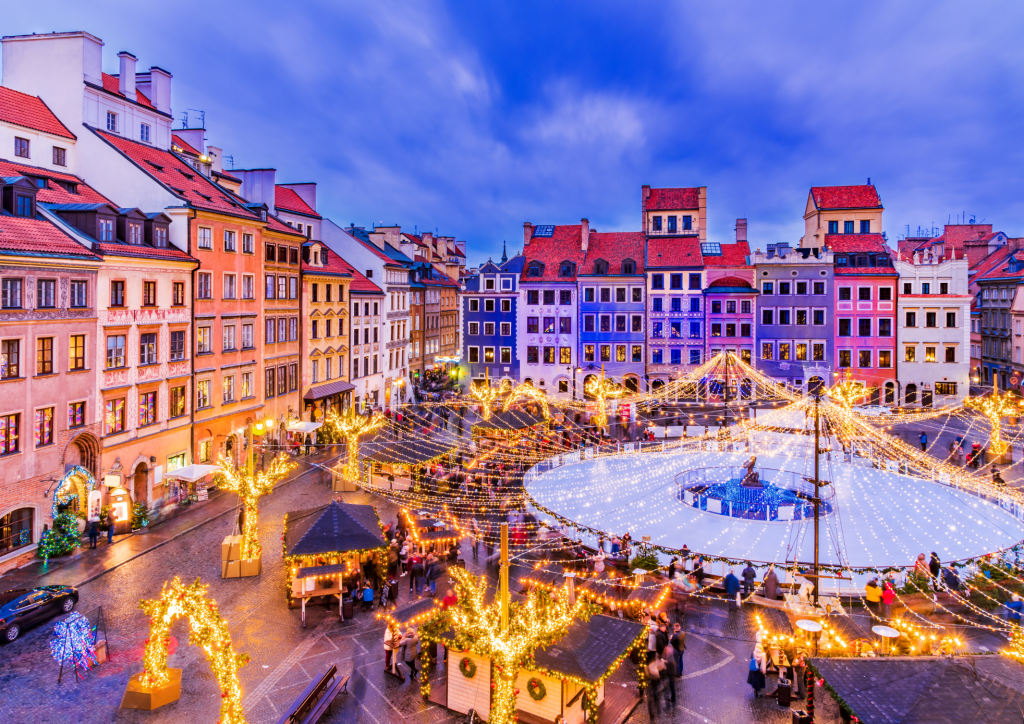
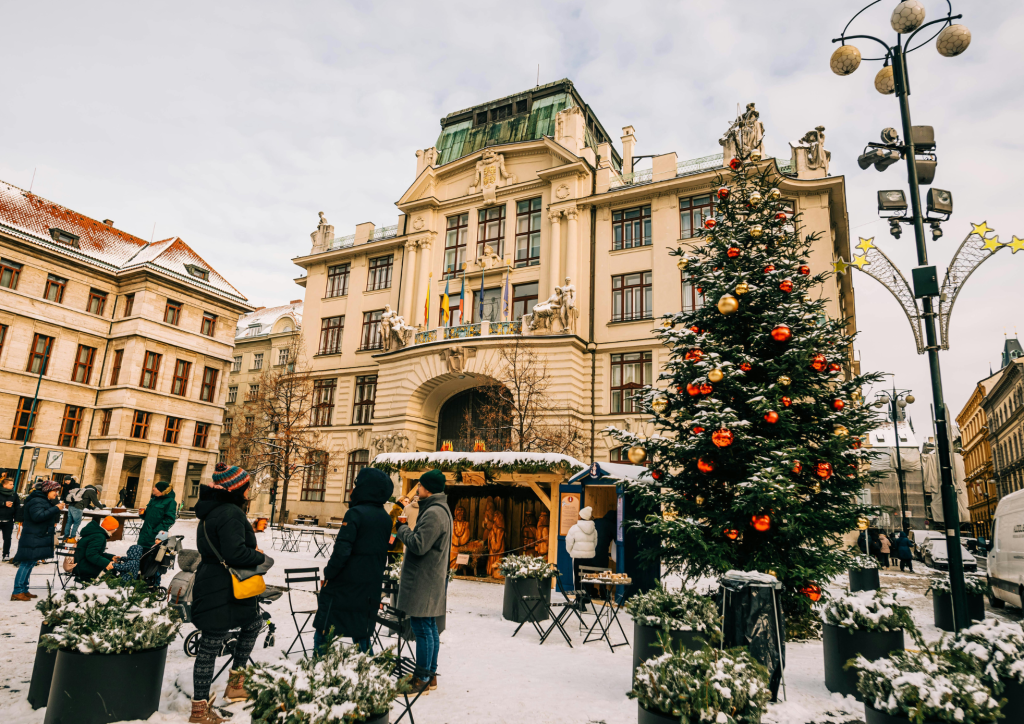
Kraków, Poland
Held in the historic Main Square, this Christmas market boasts hearty Polish comfort foods, wooden crafts, and stunning Gothic architecture.
Prague, Czech Republic
Old Town Square glows under one of the most photographed Christmas trees in Europe. Try roasted ham and chimney cake while enjoying carol performances.
Budapest, Hungary
Its Basilica Christmas Market is known for immersive light shows projected onto the cathedral façade—one of the most modern holiday spectacles in Europe.
6. Scandinavia – Nordic Hygge and Snowy Scenes
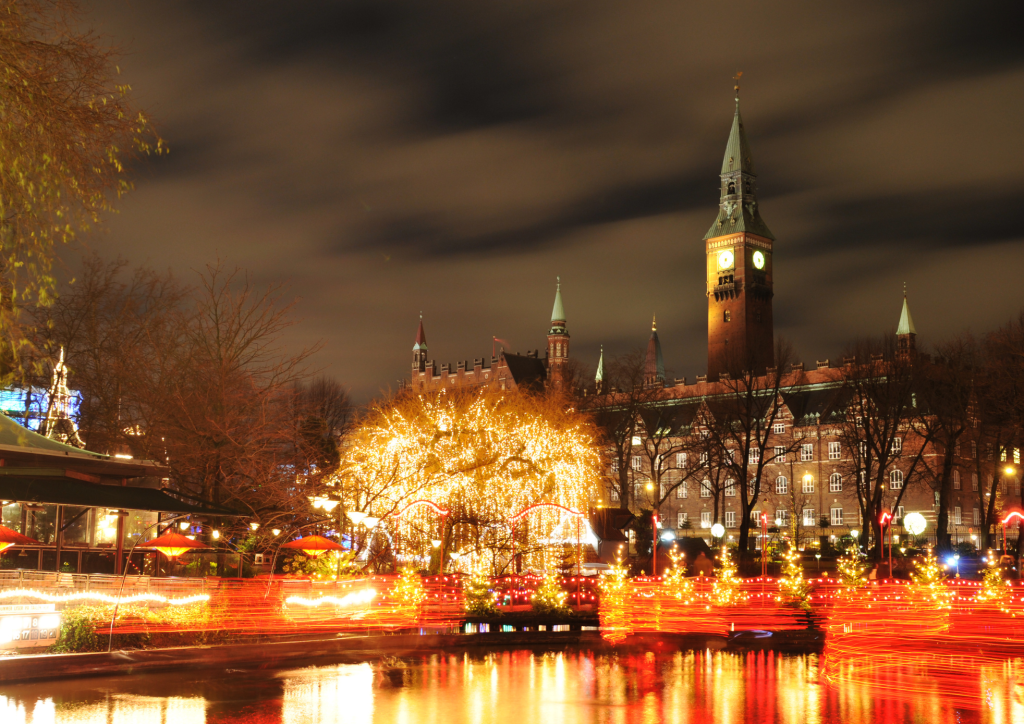
Copenhagen’s Tivoli Gardens
A blend of theme park charm and Nordic coziness. Think fairy lights, decorated pines, caramelized almonds, and magical winter rides.
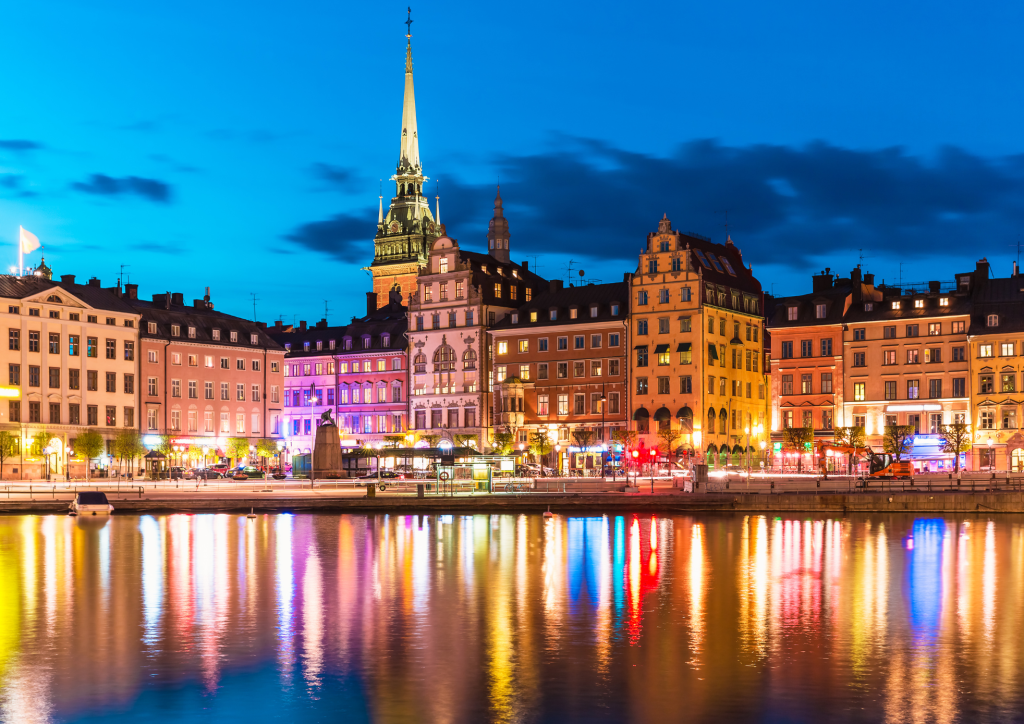
Stockholm’s Gamla Stan Market
One of Europe’s oldest, offering Swedish specialties like saffron buns, smoked sausage, and glögg.
What Makes European Christmas Markets Special
1. Local Crafts and Hand-Made Treasures
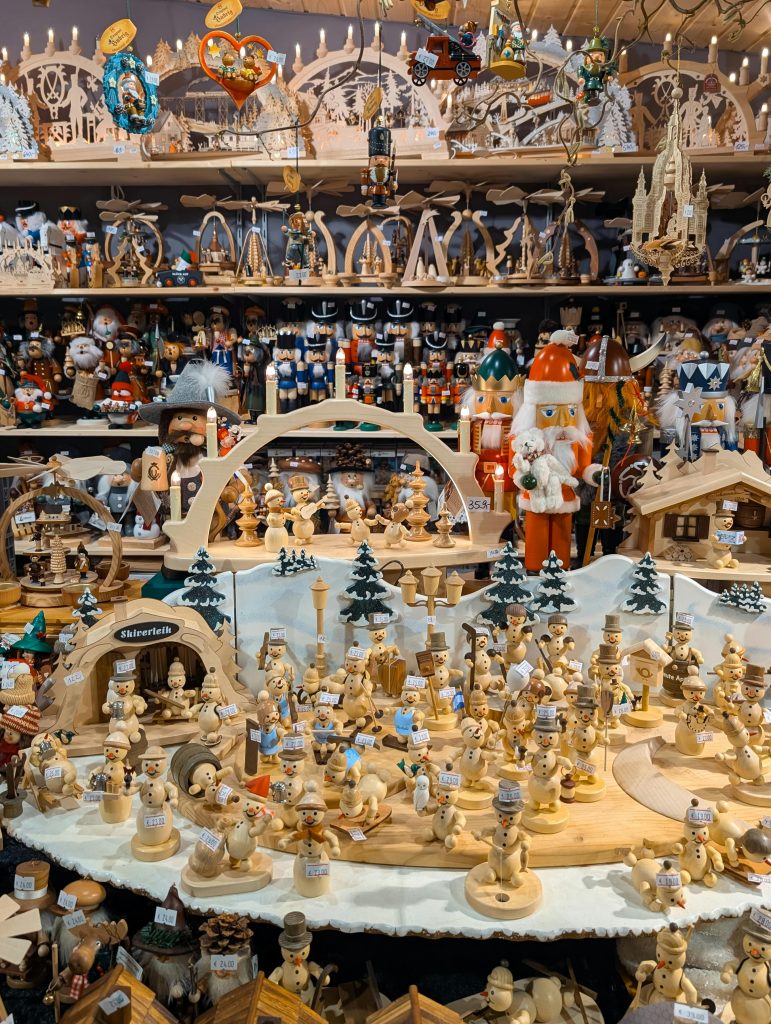
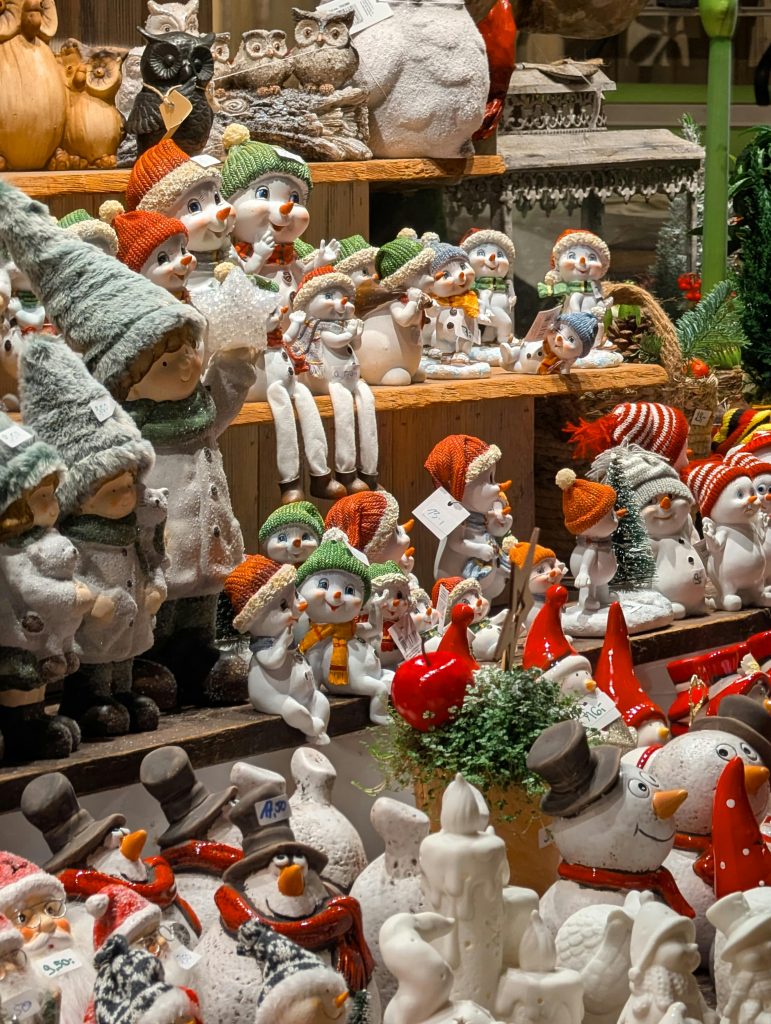
Unlike mass-produced souvenirs, many Christmas markets preserve artisanal traditions. Travelers can find:
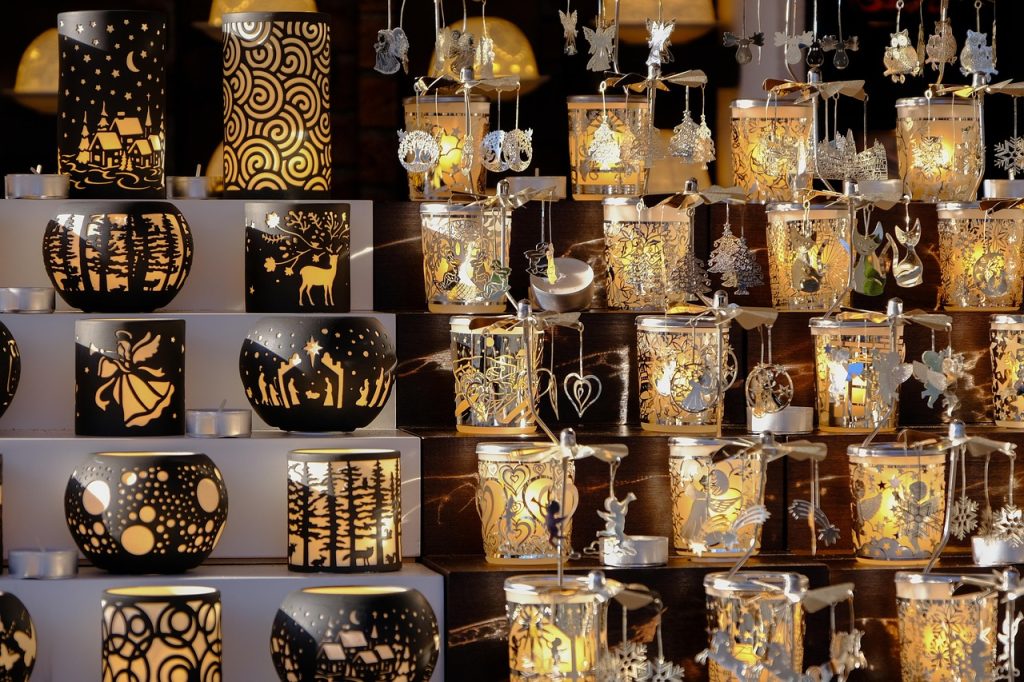
- Hand-blown glass ornaments
- Carved nativity figures
- Wool scarves and mittens
- Traditional wooden toys
- Local ceramics and candles
Buying directly from artisans also supports small European communities and keeps traditional craftsmanship alive.
2. Festive Foods and Drinks
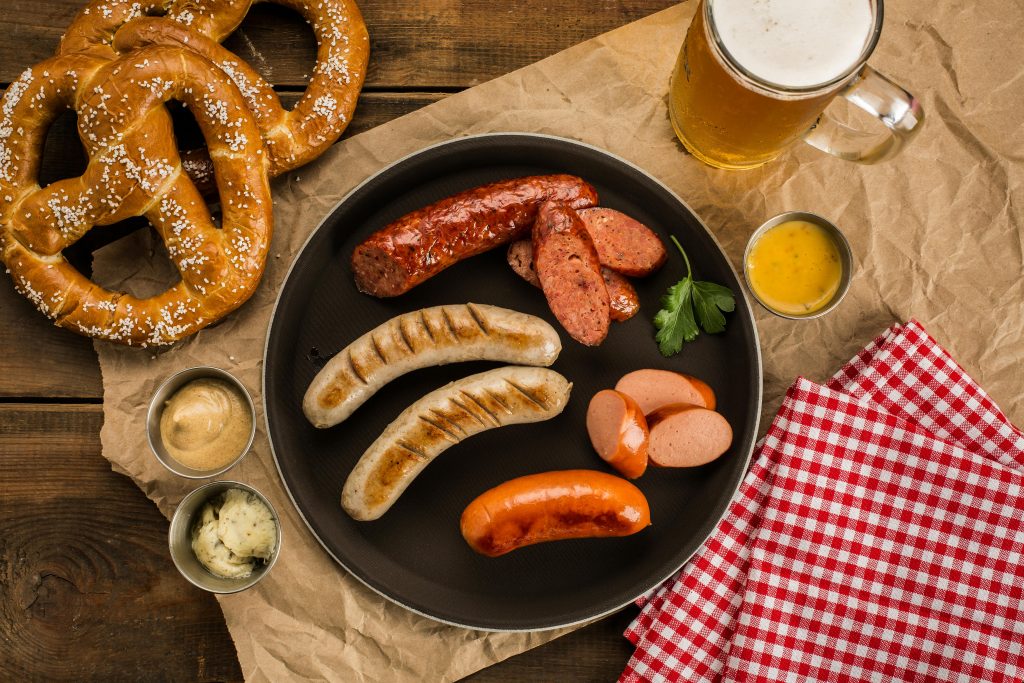
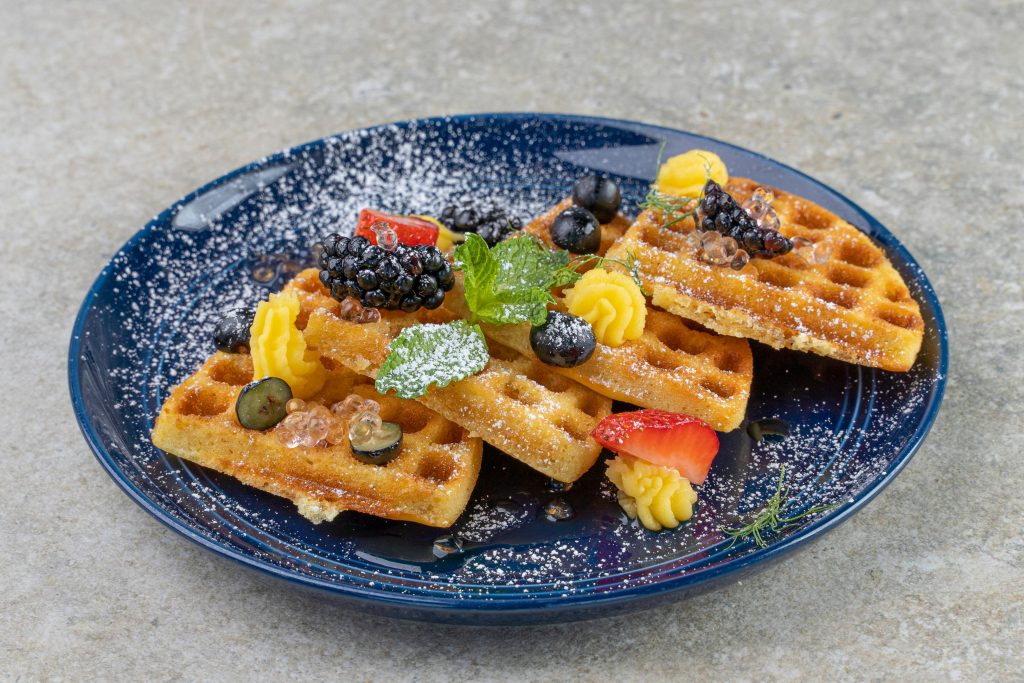
One of the biggest highlights of Christmas markets in Europe is the seasonal cuisine.
Must-try favorites include:

- Glühwein (mulled wine)
- Stollen (German fruit bread)
- Bratwurst
- Belgian waffles
- Hot chocolate with rum
- Roasted chestnuts
- Marzipan
- Tarte flambée (Alsace)
The food alone makes a Christmas market trip worth it.
3. Family-Friendly Atmosphere
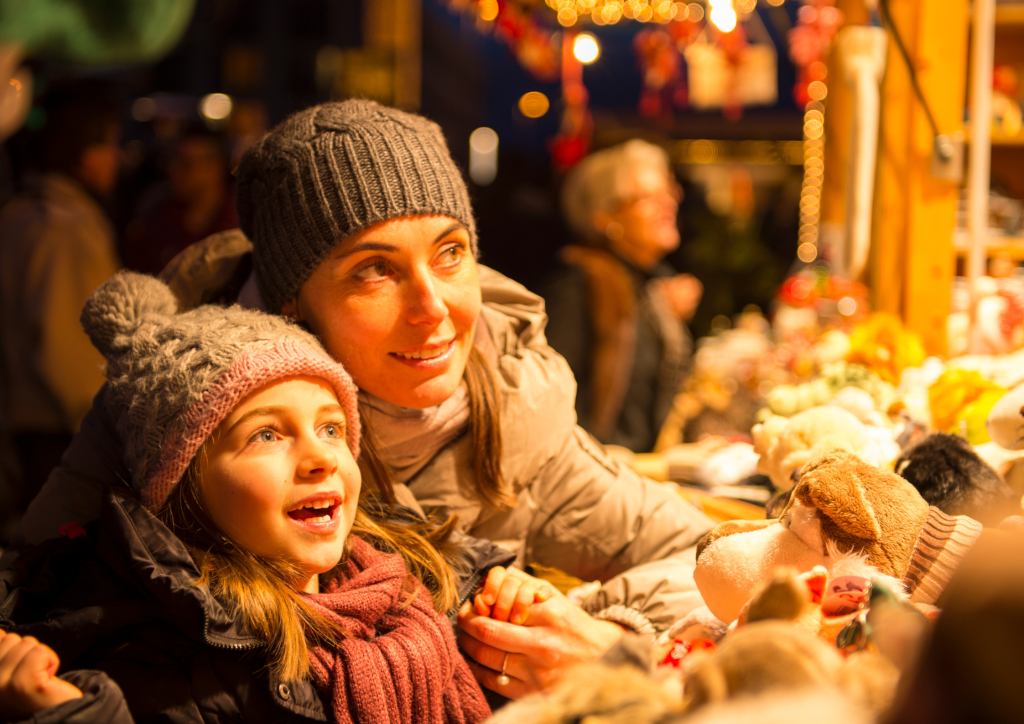
Most markets offer carousels, puppet shows, music performances, and small winter playgrounds. Many cities also add ice-skating rinks and light trails.
4. Holiday Shows and Cultural Events
Choir performances, classical concerts, nativity scenes, storytelling nights, and local parades add cultural depth to European winter travel.
Practical Tips for Visiting Christmas Markets in Europe
1. Best Time to Visit
Christmas markets usually run from late November to late December, with some extending until early January. Weekdays are quieter, while weekends—especially after sunset—are the most magical but crowded.
2. Weather Preparation
Northern and Central Europe can be very cold. Bring:
- Thermal layers
- Gloves, beanies, scarves
- Waterproof boots
- Hand warmers
- Portable umbrella
A warm traveler is a happy traveler.
3. Budgeting
While many markets are free to enter, costs can add up. Tips:
- Set a daily food budget
- Bring cash for small vendors
- Compare mug deposit (Pfand) prices
- Choose accommodations walking distance to markets to avoid transport costs
4. Accommodation
Book early—Europe’s best Christmas markets attract millions of visitors each year. Hotels in city centers fill up fast. Look into:
- Guesthouses
- Family-run inns
- Boutique hotels
- Airbnb apartments
Staying inside the old town enhances the experience.
5. Transportation Tips
- Use public trams and trains to avoid holiday traffic.
- Many cities offer Christmas market passes including transport + mugs.
- Night trains between European cities can save time and accommodation money.
6. What to Buy
For meaningful souvenirs:
- Regional ornaments
- Local wines or spices
- Artisan soaps
- Wool throws
- Candles from local beeswax
Avoid overly commercial items—they’re usually imported and not unique.
7. Responsible Travel Tips
Many markets now prioritize sustainability. You can help by:
- Using reusable cups
- Declining plastic bags
- Buying from local artisans
- Supporting eco-friendly accommodations
A green Christmas is a beautiful Christmas.
Why Christmas Markets in Europe Are Worth the Trip
There’s a reason travelers return each winter to the same cobbled squares. Europe Christmas markets offer more than decorations or food—they’re windows into Europe’s heritage and its community spirit. Each market tells a story: of medieval craftsmen, ancient winter rituals, regional culture, and the simple joy of gathering together when the nights are long.
Whether you choose majestic Prague, romantic Vienna, cozy Strasbourg, or lively Berlin, Europe in December promises something warm and human at its heart. In the glow of thousands of tiny lights, among strangers laughing over steaming mugs of mulled wine, you feel part of a tradition that has lasted centuries—and will last centuries more.