Egypt Guide
Egypt is a land where desert light meets the curve of the Nile, and where civilization’s oldest stories are still written into the landscape. From towering pyramids and sun-bleached temples to vibrant bazaars and the mighty river that nurtured an empire, this is a destination that feels both ancient and alive. Here, every grain of sand and ripple in the water carries echoes of millennia — and invites you to explore deeper.
Why Visit
Egypt captures the imagination like few places on Earth. Walk where pharaohs once walked, marvel at structures that predate the pyramids of Mesopotamia, and wander souqs that pulse with the rhythms of everyday life. Beyond the iconic wonders, you’ll find warm hospitality, street food that tells its own story, and landscapes that shift from lush riverbanks to soaring desert horizons.
When to Go
The best time to explore Egypt is in the cooler months — October through April — when daytime temperatures are comfortable for sightseeing. Summers can be intensely hot, especially in the south, but early morning and evening excursions can still be rewarding if you’re prepared with shade and water.
Must-See Highlights
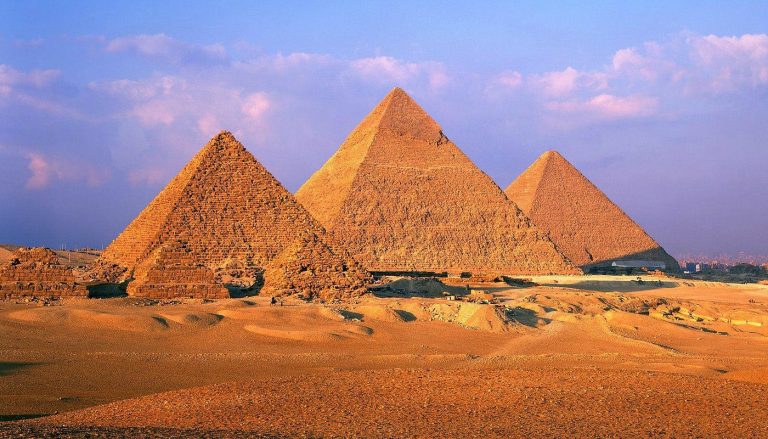
Giza Pyramid Complex — Eternal Icons
Stand before the Pyramids of Giza, the last remaining monument of the ancient Seven Wonders, and the enigmatic Great Sphinx guarding them in silent stone. These colossal structures, built more than 4,500 years ago, are Egypt’s greatest conversation with history.
Cairo — Chaos and Culture
A city of contrasts, Cairo blends modern bustle with centuries of legacy. Lose yourself in the winding alleys of its old quarters, sip mint tea in shaded cafés, and explore world-class museums that house treasures beyond imagination.
Luxor & Aswan — Temples and the Nile
Cruise the Nile between Luxor and Aswan and trace a golden arc of temples, tombs, and colossal statues. Here, the Valley of the Kings, Karnak, and Philae whisper stories of gods and kings against the slow flow of Africa’s longest river.
Red Sea Resorts — Coral, Sun, and Silence
For a change of pace, Egypt’s Red Sea coast offers pristine beaches, world-class snorkeling and diving, and serene seaside towns like Sharm el-Sheikh and Hurghada, where turquoise waters meet desert dunes.
The Newly Opened Grand Egyptian Museum
Near the pyramids, the Grand Egyptian Museum stands as one of the world’s most ambitious archaeological showcases, bringing ancient artifacts and stories into spectacular modern spaces — including the fabled treasures of Tutankhamun.
Taste & Culture
Egyptian cuisine is as rich as its history. Sample koshari — a hearty mix of rice, lentils, and pasta topped with tomato sauce — or grab fresh shawarma from a street vendor. Explore food stalls in historic markets like Khan El-Khalili, and don’t miss regional seafood along the Mediterranean coast in Alexandria.
Practical Tips
- Local customs: Dress modestly in religious and rural areas, and be courteous in social interactions.
- Tipping: Tipping (“baksheesh”) is a common part of local hospitality — small amounts are appreciated across services.
- Guides: Many visitors find that knowledgeable local guides make navigating Egypt’s rich history and bustling cities easier and more rewarding.
- Safety: Egypt is generally safe for travelers, but staying informed about local conditions and cultural norms enhances any trip.
Why Egypt Matters
To travel in Egypt is to witness one of humanity’s earliest great civilizations — not as a museum relic, but as a living world where past and present flow together like the Nile itself. Whether you’re chasing sunsets across desert sands, tracing hieroglyphs in temple corridors, or sharing a meal with new friends in a shaded café, Egypt invites you to explore not just ancient wonders, but stories that still unfold today.
Ready to explore? Let’s dive into our articles!