How Climate Change Is Reshaping Mediterranean Travel and Food Tourism
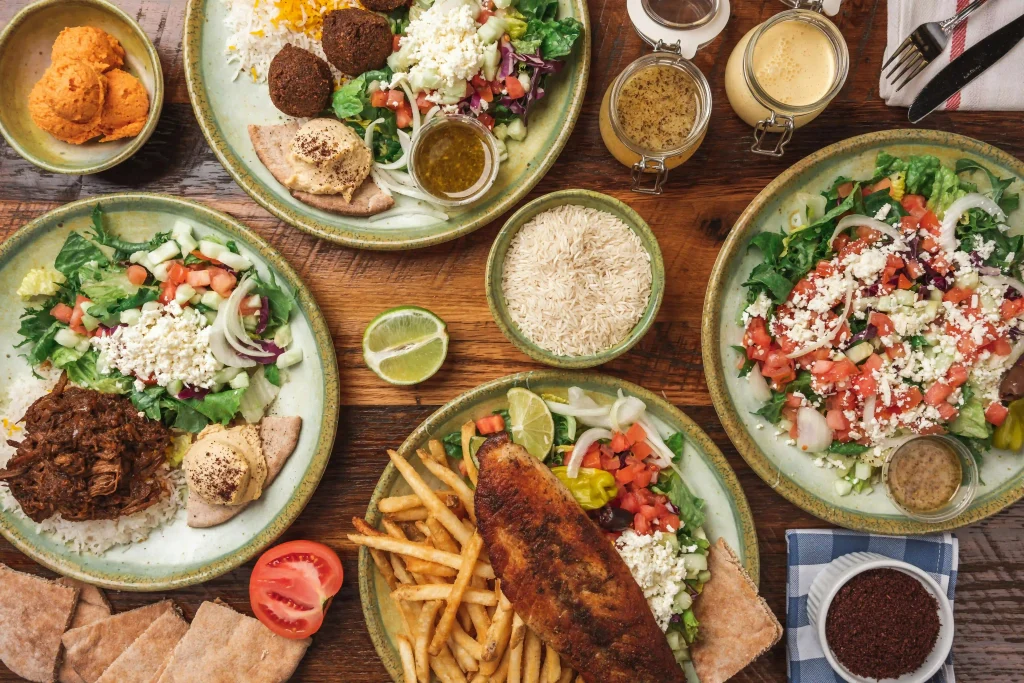
For decades, Mediterranean travel was framed by a single image: a table set by the sea. White plates of grilled fish, olive oil catching the sun, waves breaking just beyond the harbor. From Italy to Spain and Greece, the shoreline became shorthand for authenticity. But as climate change accelerates across Southern Europe, that coastal fantasy is beginning to fray. Rising temperatures, water scarcity, and shifting agricultural patterns are challenging not only ecosystems but the very story tourism has told about the Mediterranean. To understand where travel here is headed, it helps to look inland.
The Coast as Icon
In the late twentieth century, tourism campaigns distilled the Mediterranean into an aesthetic: sun-drenched beaches, seafood lunches, and slow afternoons by the water. The celebrated Mediterranean diet—later recognized by UNESCO as intangible cultural heritage—was often visually reduced to seaside abundance.
Yet the cuisine that shaped this reputation did not originate in resort towns. It evolved in farming villages, pastoral landscapes, and dry interior plains where water was precious and meals reflected restraint as much as flavor. Lentils, chickpeas, barley, wild greens, sheep’s milk cheeses, preserved vegetables—these were the foundations of Mediterranean cooking long before seafood platters became a tourism symbol.
The coastline told only part of the story. Climate change is now exposing the limits of that narrative.
A Region Warming Faster Than Expected
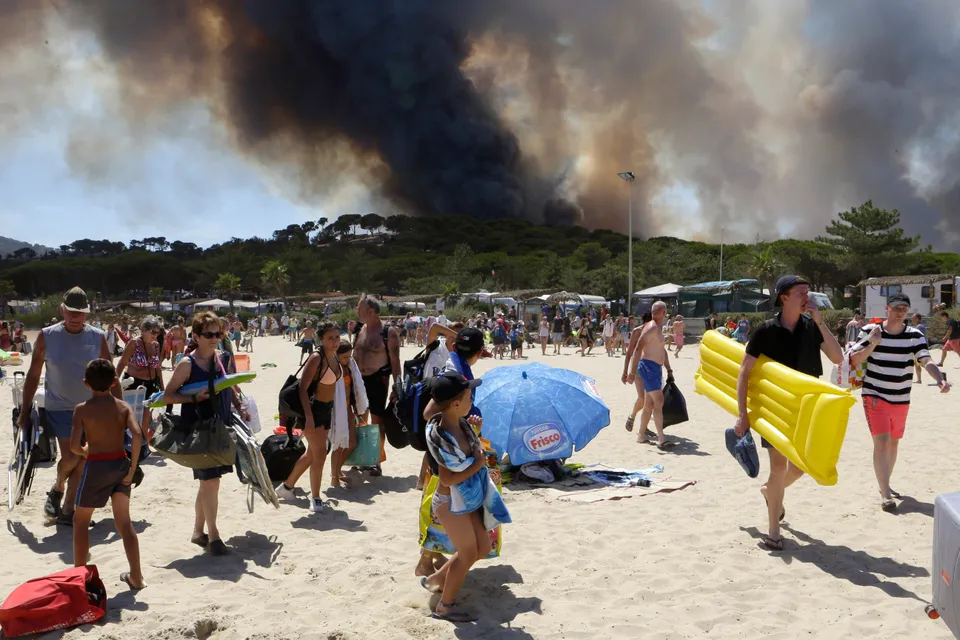
The Mediterranean basin is warming faster than the global average. In recent summers, southern Italy has recorded some of Europe’s highest temperatures, including a provisional record of nearly 119°F (48.8°C) in Sicily. Drought conditions have intensified. Reservoirs have fallen to historic lows. Scientists estimate that roughly 70 percent of Sicily’s land faces risk of desertification as rainfall patterns shift and soils degrade.
These changes are not abstract statistics; they are visible in fields and orchards.
Farmers in Sicily have begun cultivating mangoes, avocados, and papayas—crops once associated with tropical climates—because rising heat and unpredictable rainfall make some traditional citrus and olive harvests less reliable. Olive yields have fluctuated sharply in drought years. Vineyards contend with erratic weather and wildfire smoke. Water, once stretched thin, is now under sustained strain.
Coastal tourism compounds the pressure. Peak summer months bring surges of visitors to already water-stressed zones. Hotels, pools, and beachside restaurants demand steady supplies of freshwater in places where aquifers are declining. Meanwhile, warming seas alter marine ecosystems, affecting fish stocks that have long supported both local livelihoods and the culinary expectations of visitors.
The Mediterranean remains alluring. But it is no longer climatically stable.
The Limits of the Beach Holiday Model
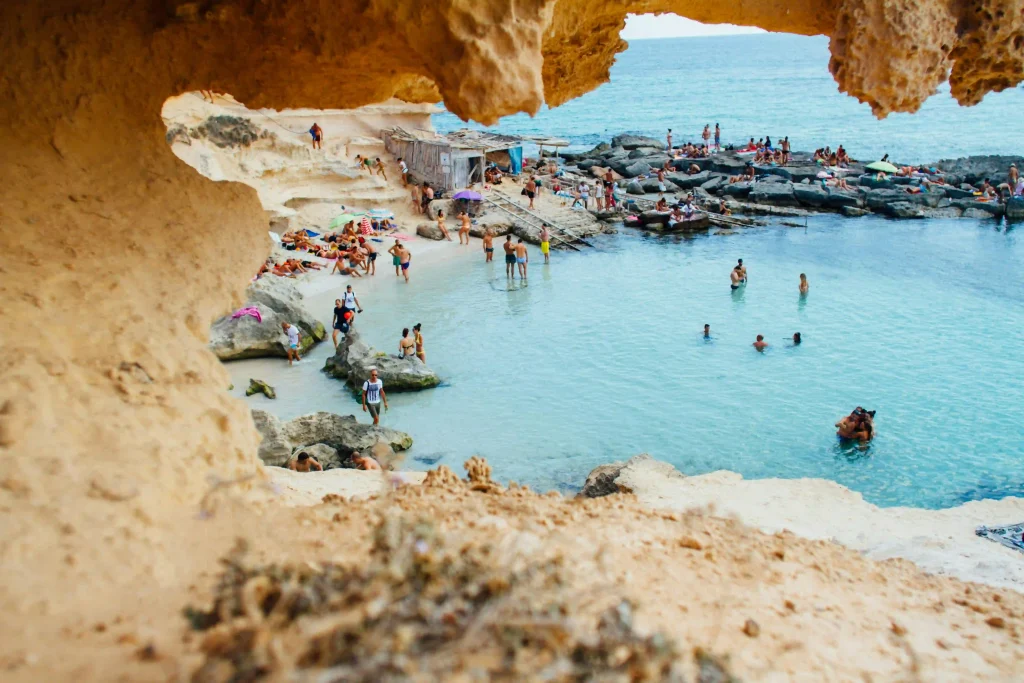
The classic Mediterranean beach holiday concentrates tourism in narrow coastal corridors. Economically, this centralizes revenue in resort hubs. Environmentally, it intensifies strain on fragile shorelines already vulnerable to erosion, sea-level rise, and extreme heat.
Culturally, it narrows perception. Travelers encounter a curated version of Mediterranean life—sun, seafood, and spectacle—while inland agricultural systems that sustain the cuisine remain largely invisible.
As climate impacts deepen, this model appears increasingly brittle. When fisheries fluctuate and water becomes scarce, the idea of limitless coastal abundance begins to falter. The Mediterranean cannot be sustainably marketed as an endless summer buffet.
What would it mean to redistribute both attention and activity inland?
The Interior as Adaptation
Inland regions—mountain villages, agricultural valleys, and semi-arid plains—have always been laboratories of resilience. Here, generations adapted to thin soils and unpredictable rain. Culinary traditions evolved accordingly: dishes built on legumes and grains, cheeses suited to dry grazing, vegetables preserved against lean seasons.
Today, these landscapes are again at the forefront of adaptation.
Farmers experiment with drought-resistant wheat varieties. Irrigation systems are rethought to conserve water. Some cultivate new tropical fruits as climates shift; others revive hardy native crops better suited to heat. The agricultural story unfolding in Sicily and elsewhere is not one of simple loss, but of transformation.
Food tourism offers a way for travelers to engage with that transformation.
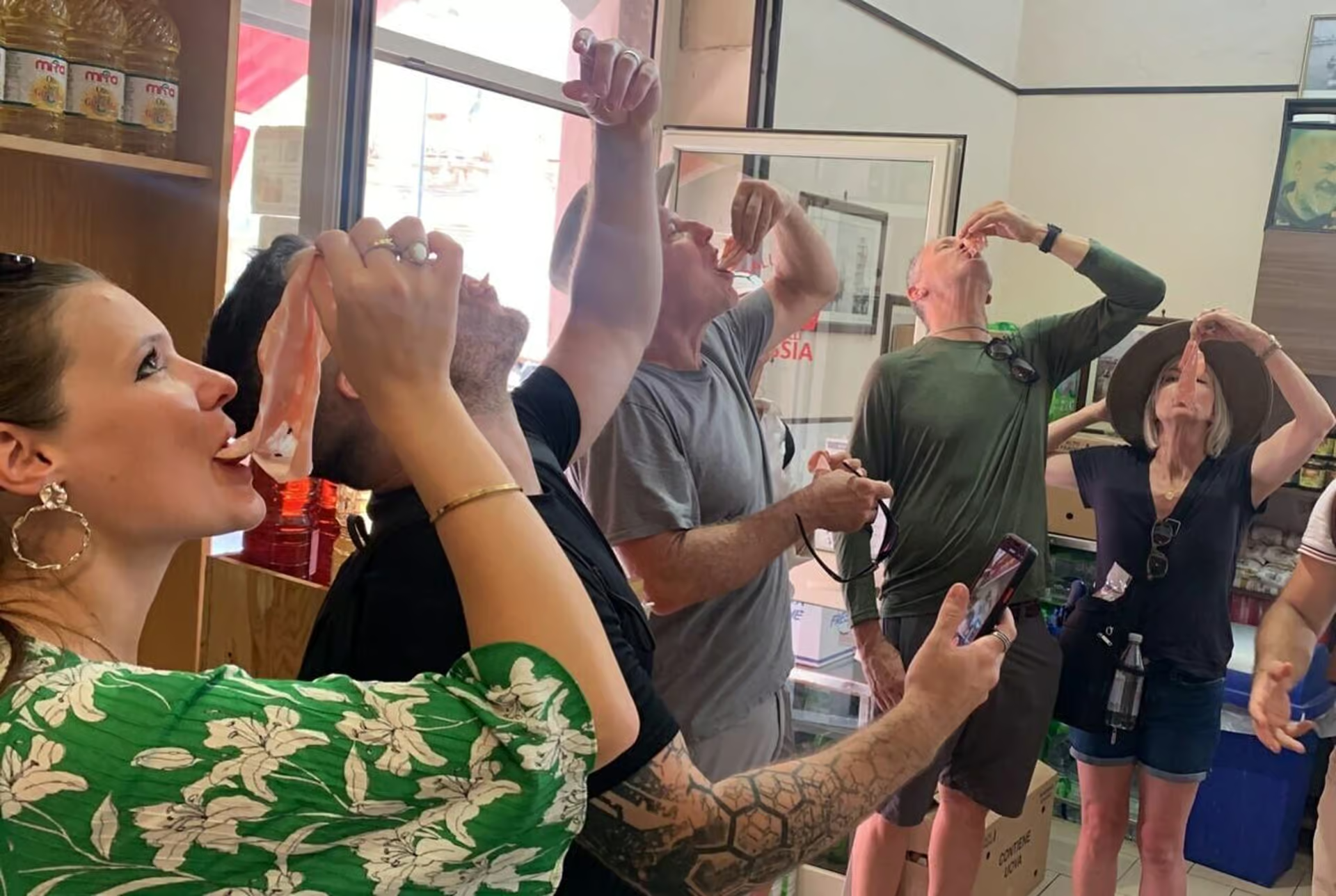
An inland food journey might begin in a market where seasonal produce reflects current conditions rather than nostalgic expectations. It may continue in a farmhouse kitchen, where visitors cook what is harvested that week—fava beans, eggplant, wild fennel—rather than what global menus demand year-round. Olive oil tastings become conversations about rainfall and soil health. Bread baked from local grains becomes evidence of adaptation.
The experience shifts from consumption to connection.
From Spectacle to System
The appeal of the beach is immediate and visual. Inland food culture unfolds more slowly. It requires attention to landscapes, seasons, and labor. But that attentiveness reveals a deeper Mediterranean story—one shaped not just by leisure, but by survival and ingenuity.
Travel that centers inland food systems redistributes economic benefits beyond coastal resorts, channeling income to farmers, small producers, and rural communities. It spreads visitor presence across broader geographies, easing pressure on overheated shorelines. It also reframes authenticity: not as aesthetic perfection, but as ecological relationship.
In Sicily’s interior, where fields stretch beyond the reach of beach umbrellas, travelers can witness firsthand how climate change is altering agriculture. Tropical fruit orchards stand alongside traditional groves. Water storage systems are carefully monitored. Conversations about heat and harvest replace easy assumptions about abundance.
Such encounters complicate the Mediterranean myth—but they also enrich it.
Rewriting the Mediterranean Travel Narrative
The future of Mediterranean travel will likely remain tied to the sea. Coastlines have shaped the region’s history for millennia, and their beauty endures. Yet the identity of Mediterranean tourism need not be confined to the shore.
A more climate-aware narrative would highlight harvest festivals as readily as beach sunsets. It would celebrate rural kitchens alongside seaside terraces. It would invite travelers to understand how food systems are adapting to warming temperatures and shrinking water supplies.
In this reframing, Mediterranean travel becomes less about escaping reality and more about engaging with it.
Instead of asking only which beach offers the clearest water, visitors might ask what crops are thriving this year, how farmers are responding to heat, and what that means for the flavors on their plate. Food becomes not just pleasure, but perspective.
Climate change is reshaping landscapes across Southern Europe. The question is whether tourism will adapt with them.
Inland food journeys suggest one path forward: distribute visitors more widely, support agricultural resilience, and tell a fuller story of the Mediterranean—one that acknowledges both its beauty and its vulnerability.
The table may no longer always be set by the sea. Increasingly, it may be laid in a hillside village, under the shade of trees planted for a warmer world.
Expeditions into the Sicilian Heart
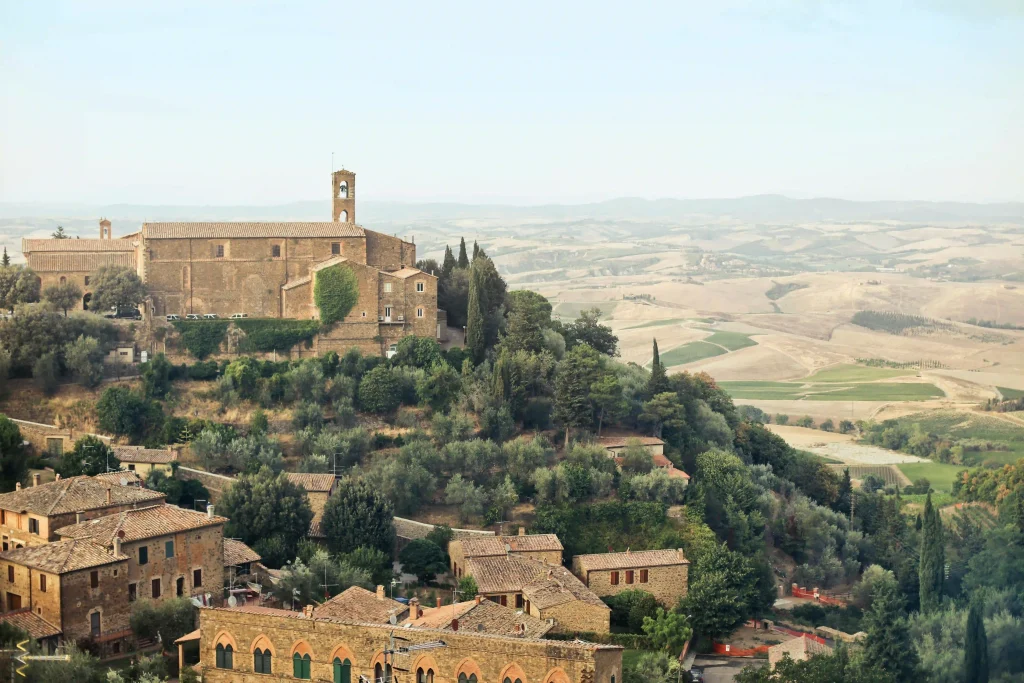
To truly witness this transformation, one must leave the shore behind. These experiences offer a window into the resilient spirit of the island’s interior:
Palermo Market Tour & Hands-On Cooking Class
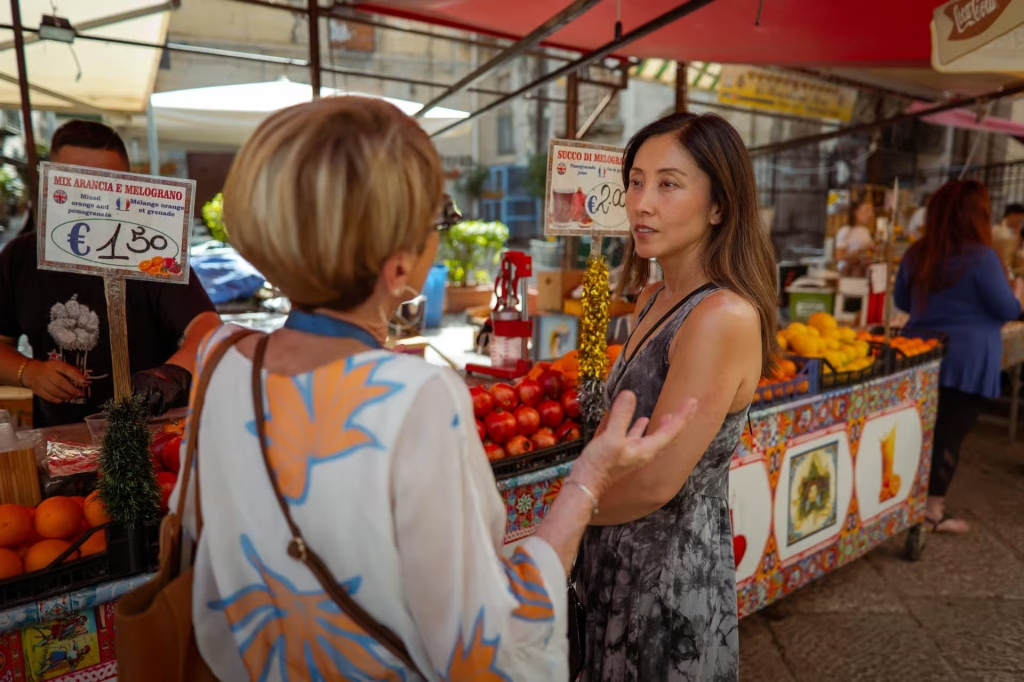
Join a small-group cooking class in Palermo, one of the most vibrant cities in Sicily, starting with a guided visit to the lively Mercato del Capo to shop for fresh seasonal ingredients with a professional local chef.
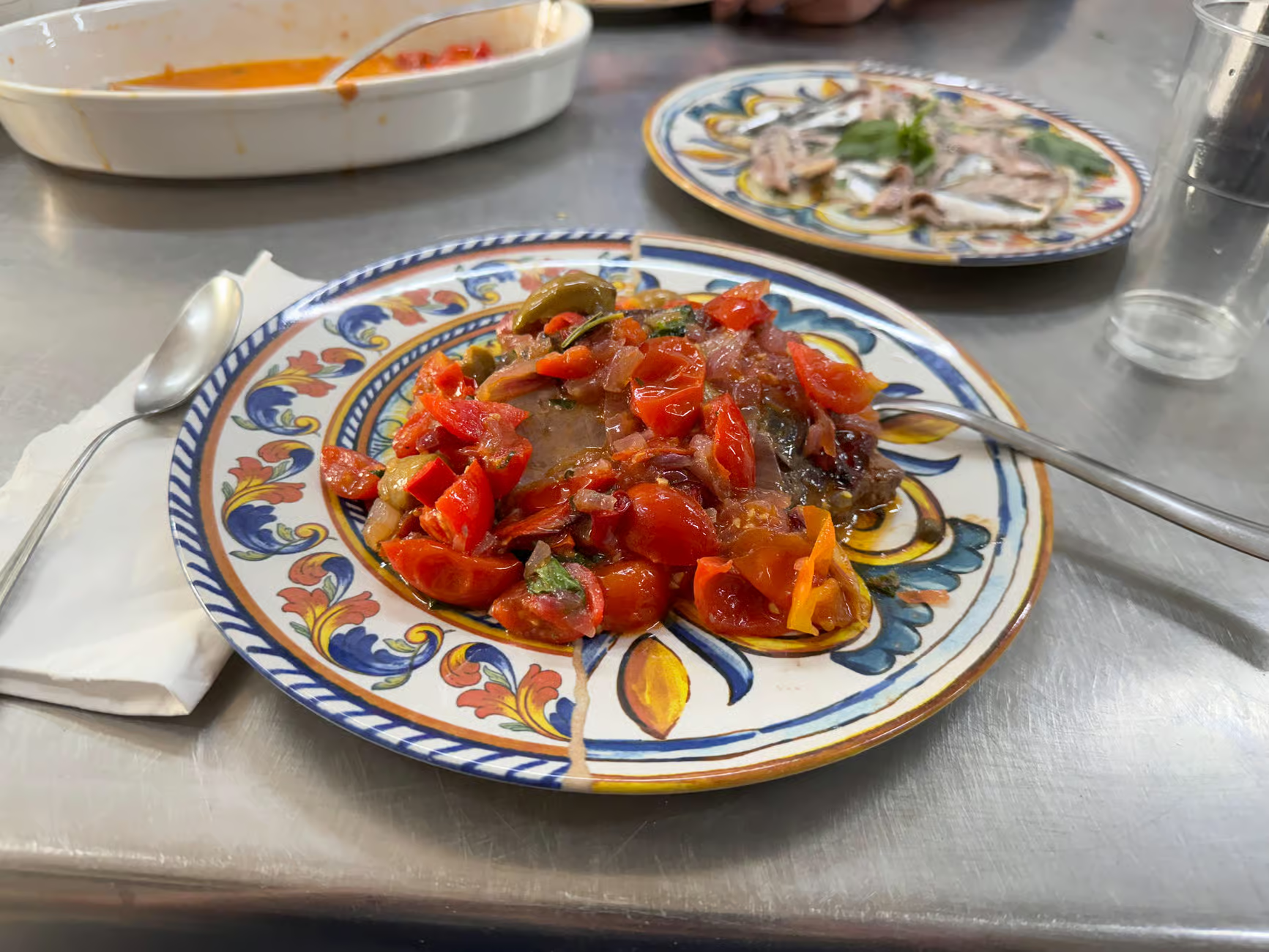
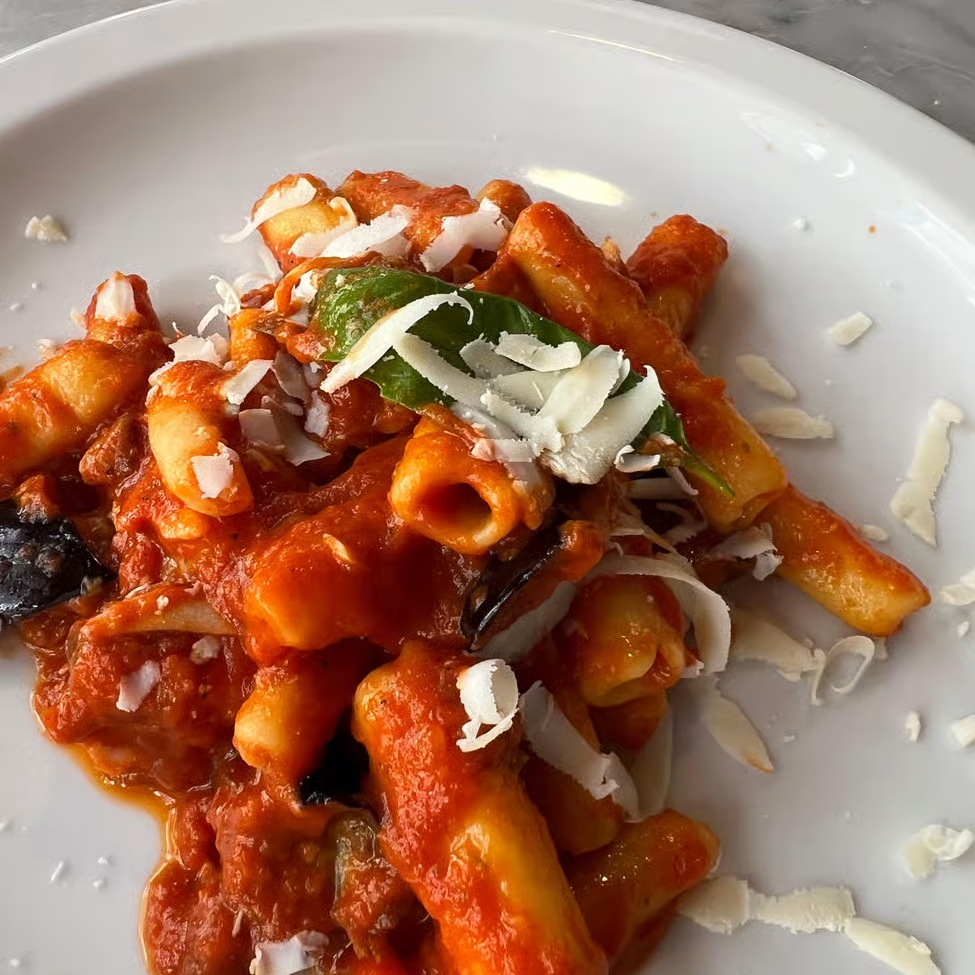
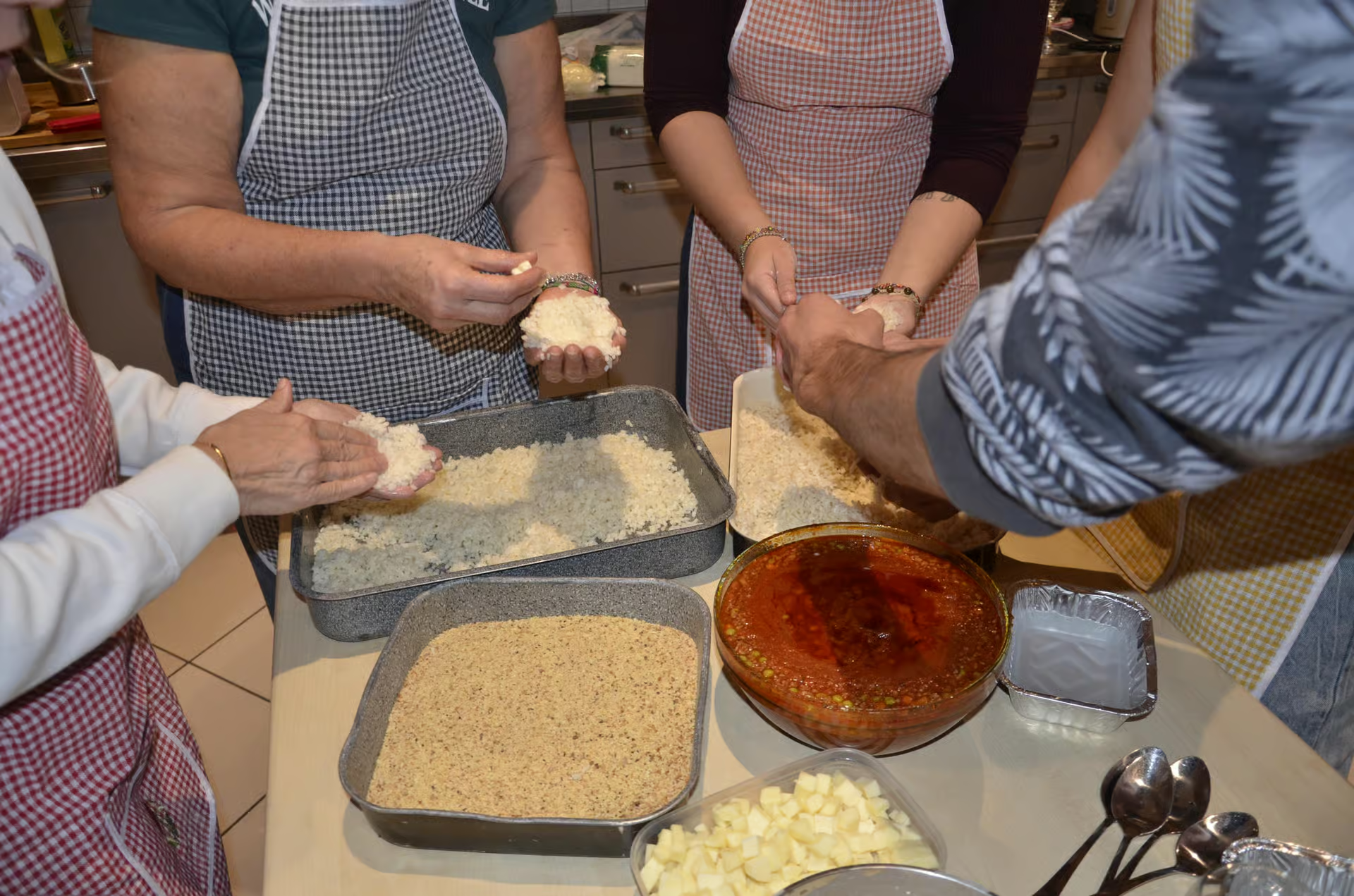
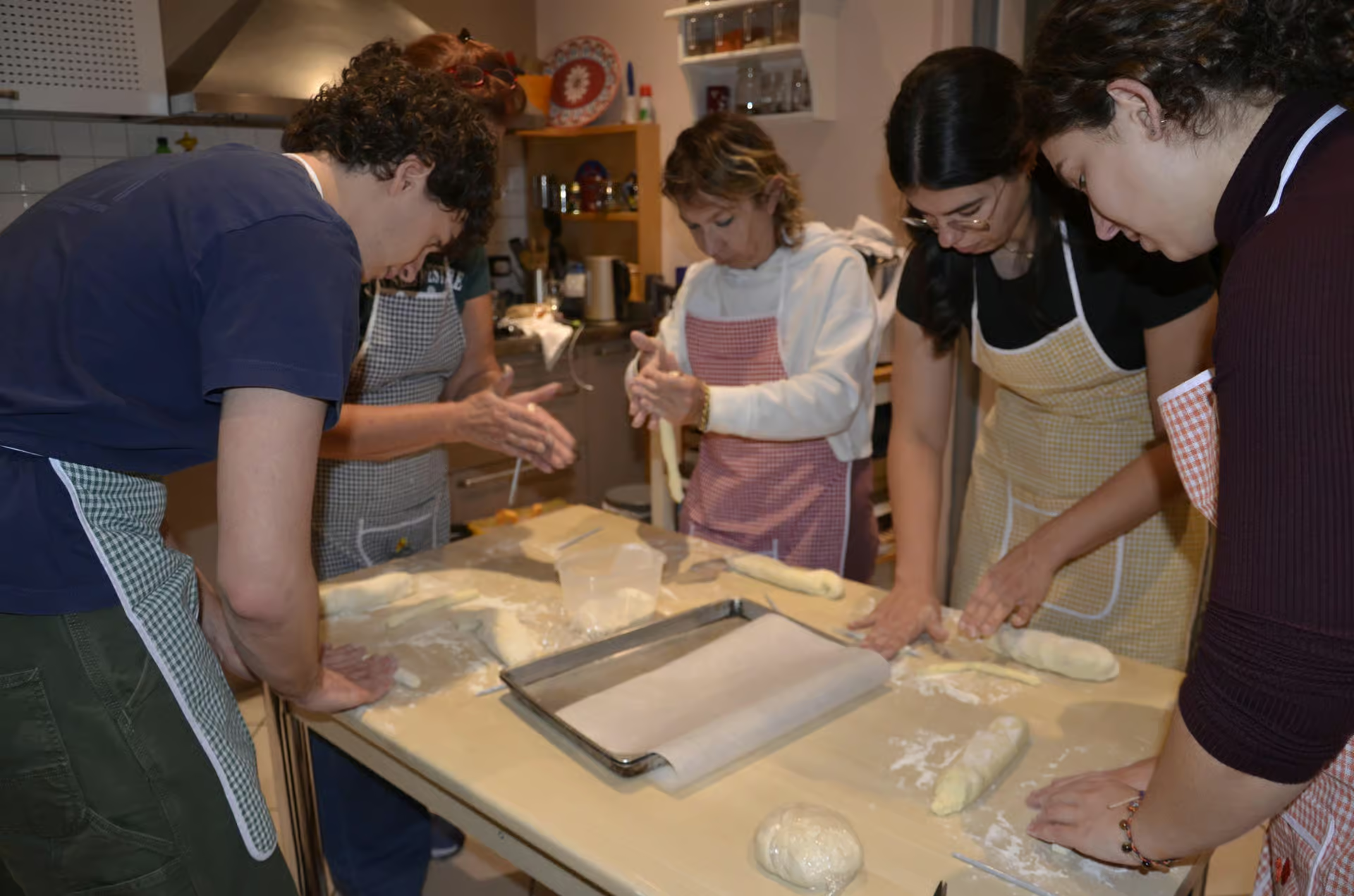
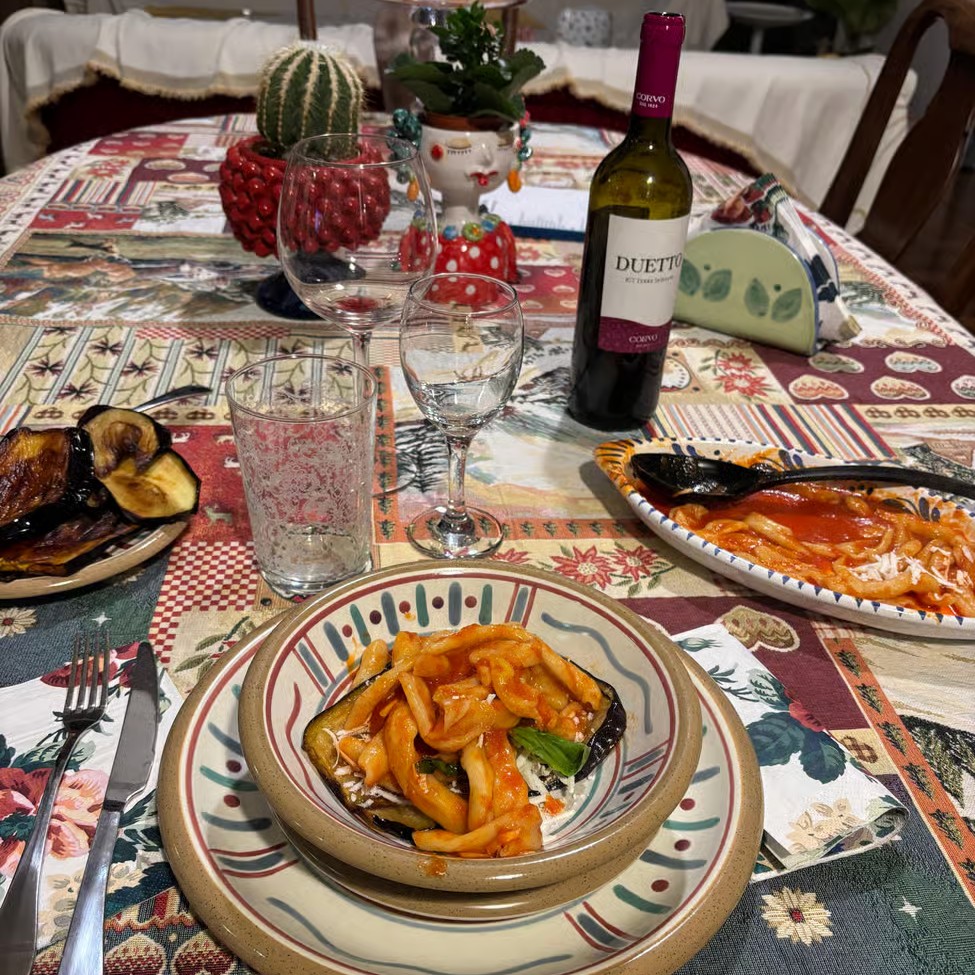
Back in the kitchen, prepare a fun three-course Sicilian menu—including arancini, Pasta alla Norma and cannoli—then enjoy the dishes you created and take home a recipe booklet to recreate Sicily at your table.
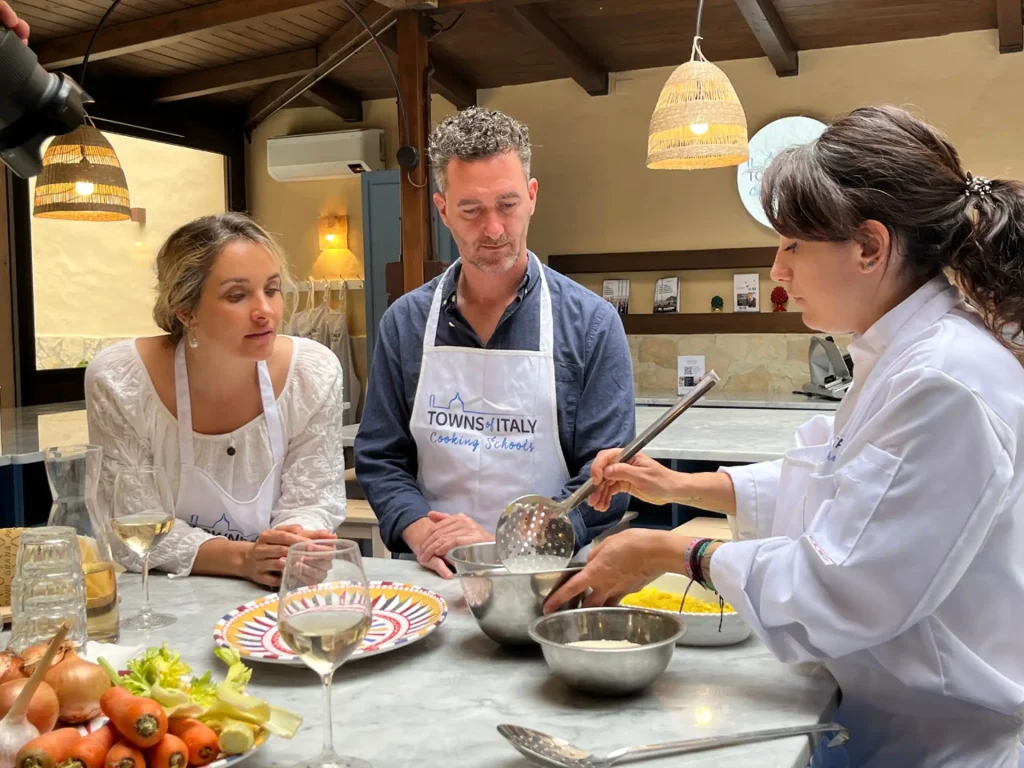
Taormina Cooking Class in a Local Home
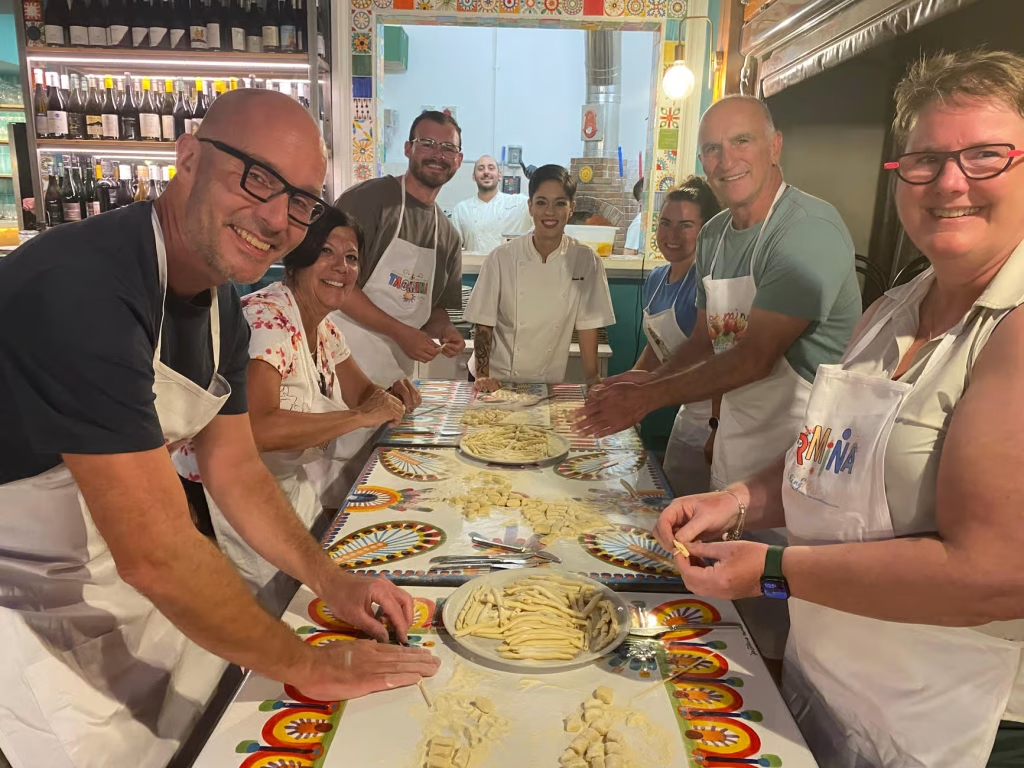
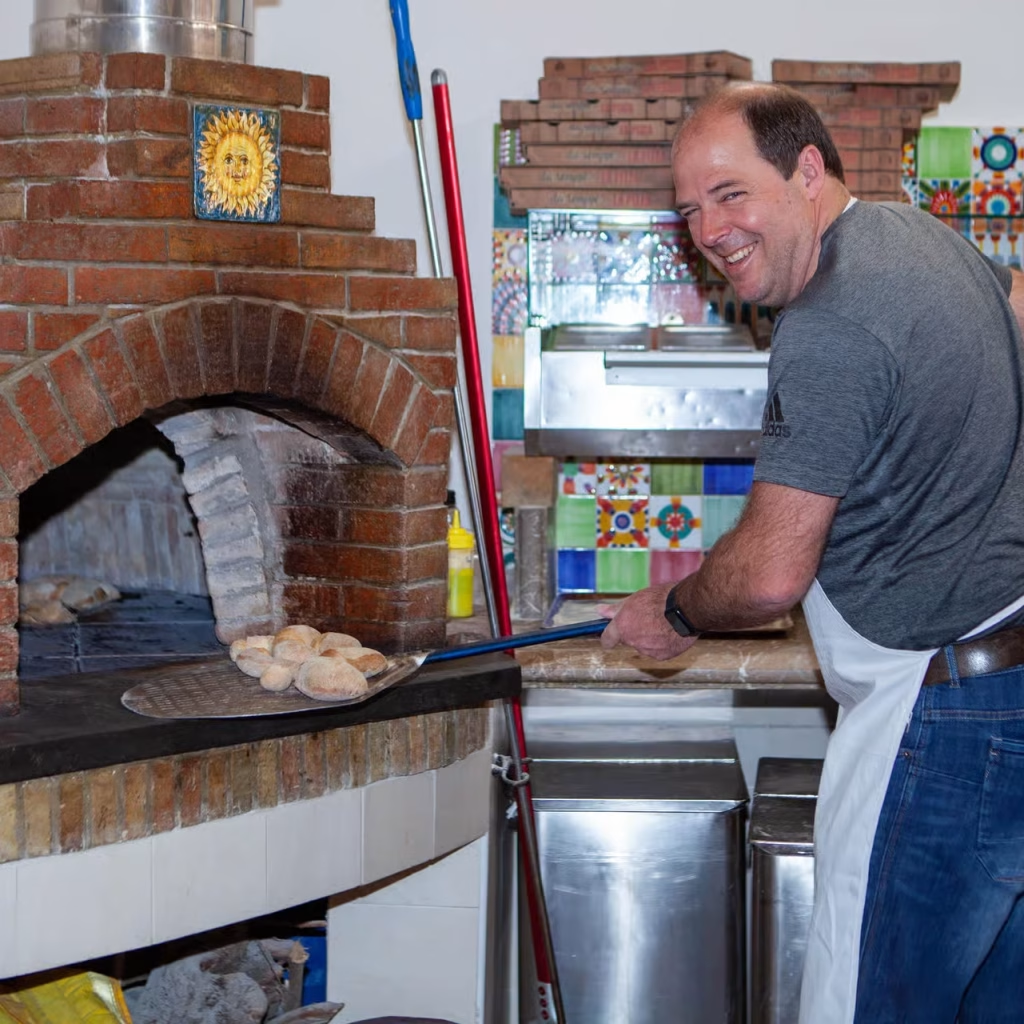
Immerse yourself in authentic Sicilian flavors with an exclusive market-to-table cooking class in Taormina, one of the most charming destinations in Sicily.
Shop for fresh local ingredients, cook classic Sicilian dishes with a skilled chef and local family, and enjoy a relaxed meal together—turning your Taormina holiday into a truly memorable culinary experience.
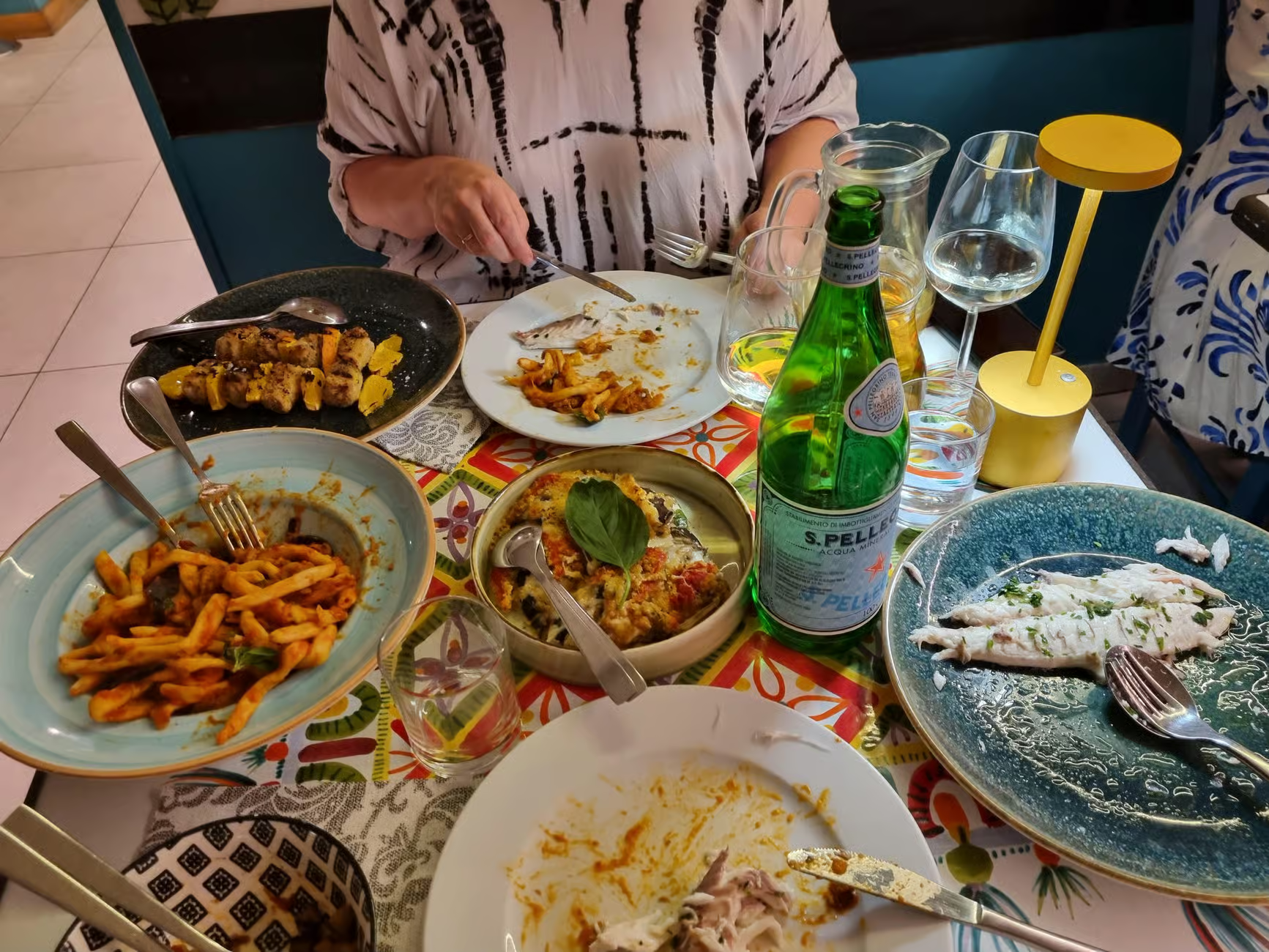
Ragusa Province Traditional Home Cooking Experience
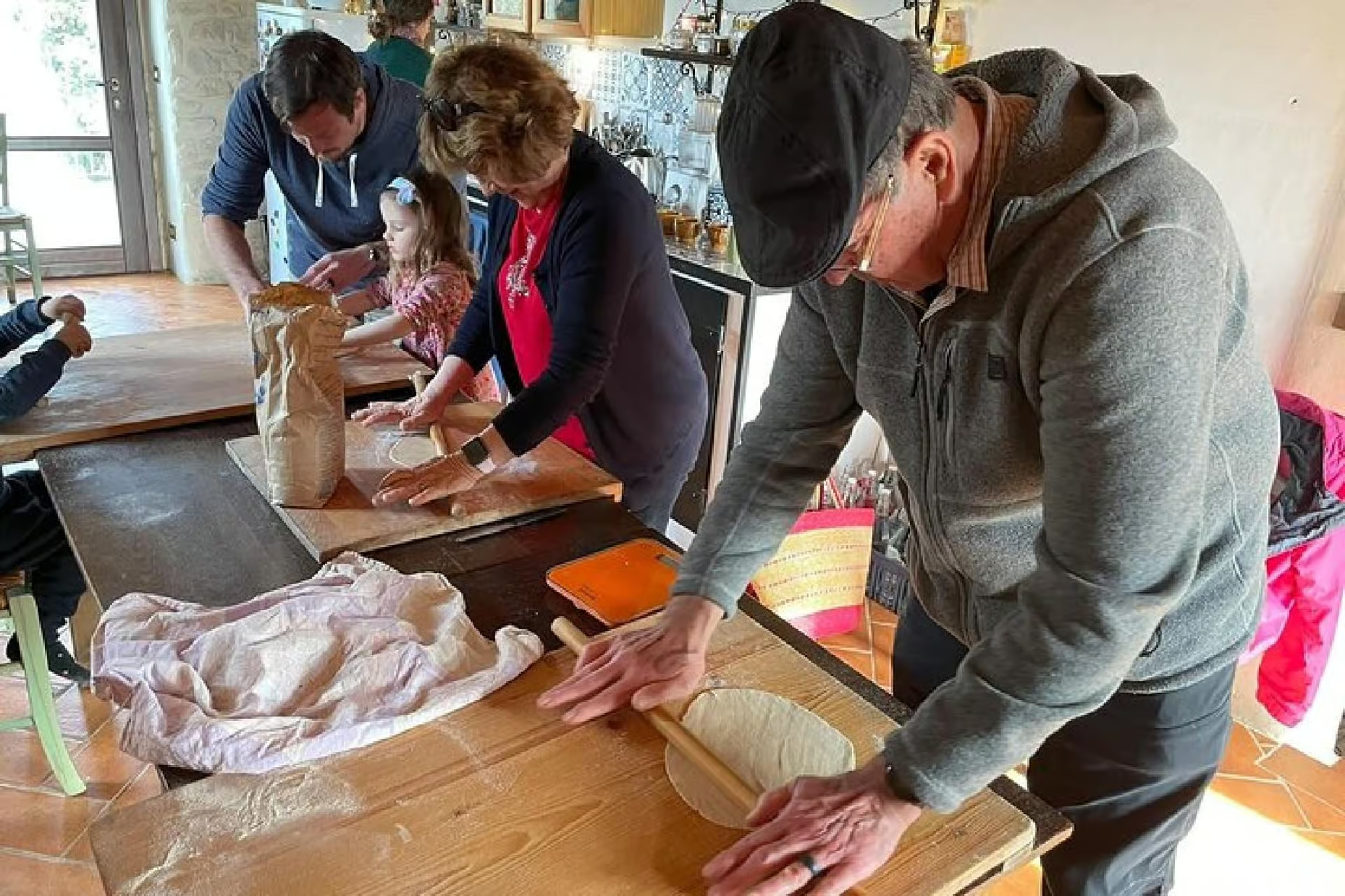
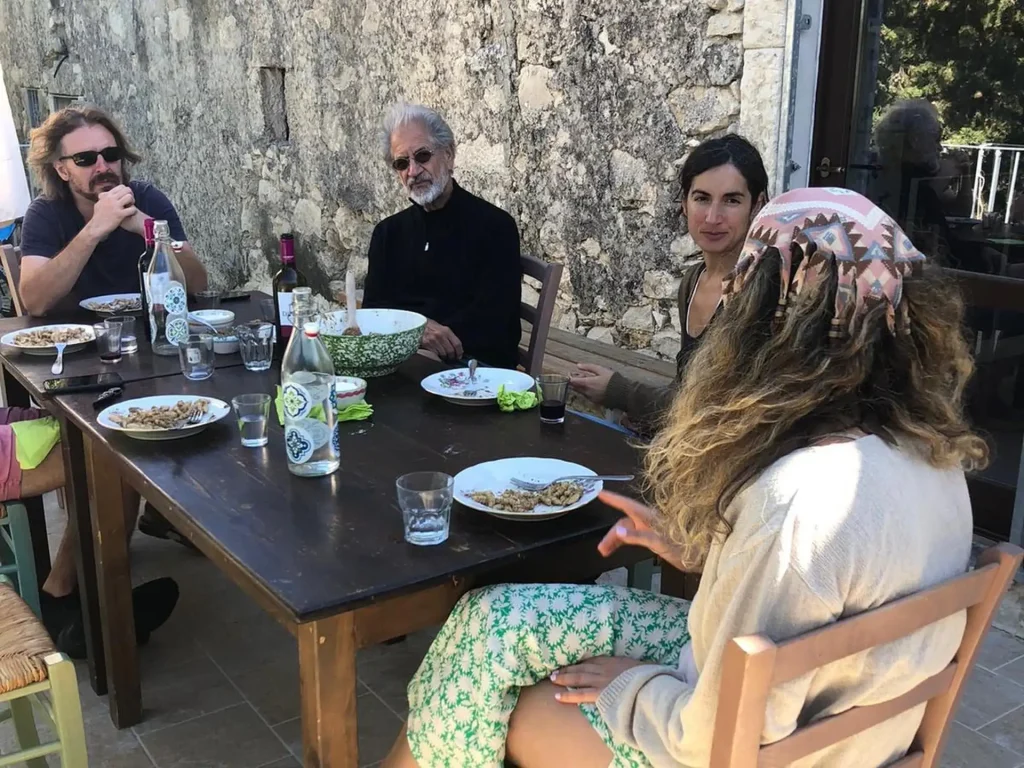
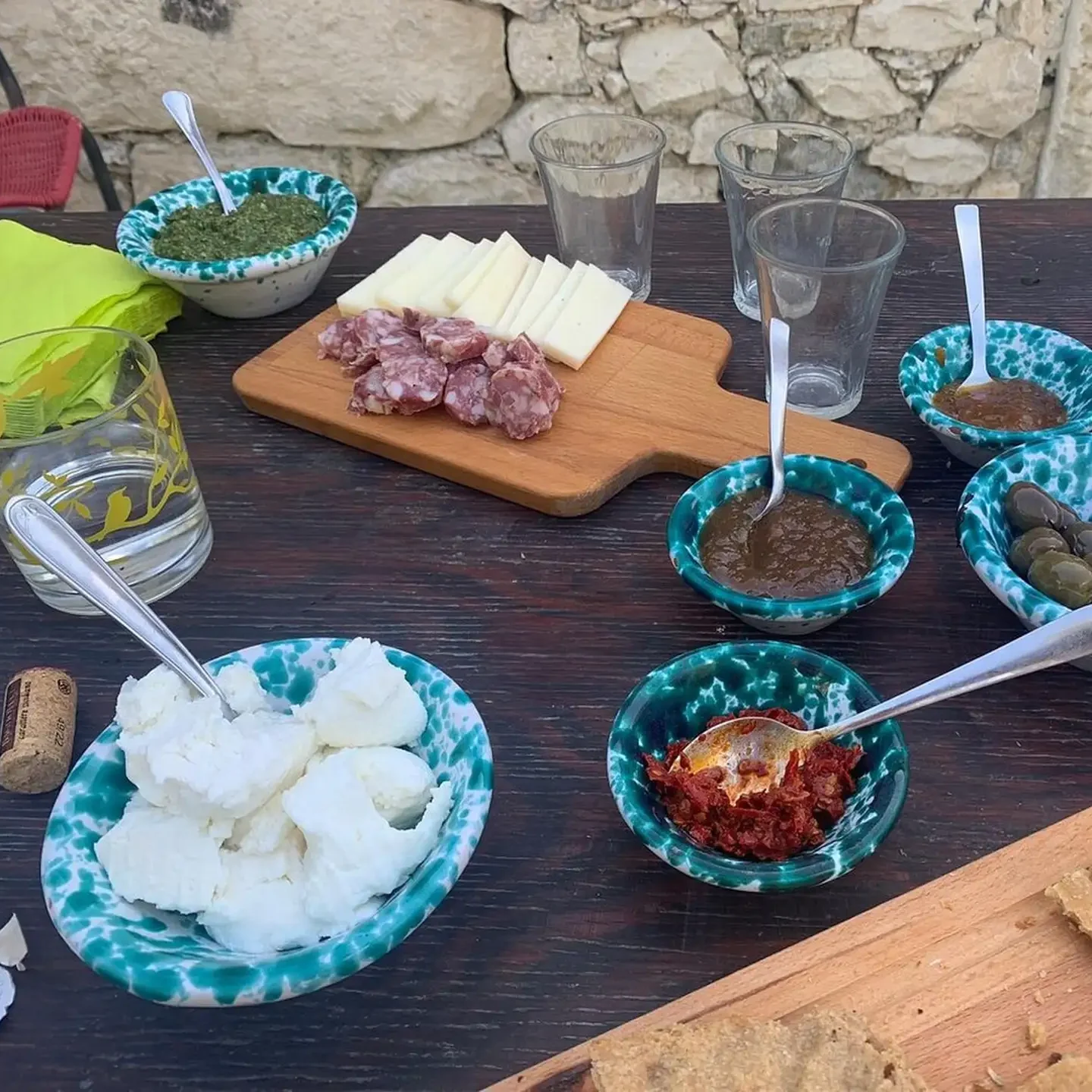
Enjoy a hands-on Sicilian home-cooking experience in the peaceful countryside of Chiaramonte Gulfi, in the heart of Sicily.
Pick fresh ingredients from the garden, cook traditional family recipes together, and share a relaxed lunch under the olive trees (or by the fireplace in winter), with local wine and vegetarian or gluten-free options available.
Catania Food Market Walk & Traditional Cooking Class
Immerse yourself in the flavors of Sicily with a hands-on cooking class in a local home, guided by two passionate local chefs.
Learn to make fresh pasta, crispy arancini and classic cannoli, enjoy Sicilian appetizers and unlimited local wine, and end the evening sharing your dishes around the table in true Sicilian hospitality.
Syracuse Market Discovery & Home-Style Sicilian Cooking Class
Enjoy a traditional market-to-table cooking class in Syracuse, starting with a vibrant visit to the historic Ortigia and its lively street market in the heart of Sicily.
Shop for the freshest local ingredients, then step into a local chef’s kitchen to prepare classic Sicilian dishes and enjoy the meal you’ve created together.