
A Traveler’s Survival Guide for a Changing Climate
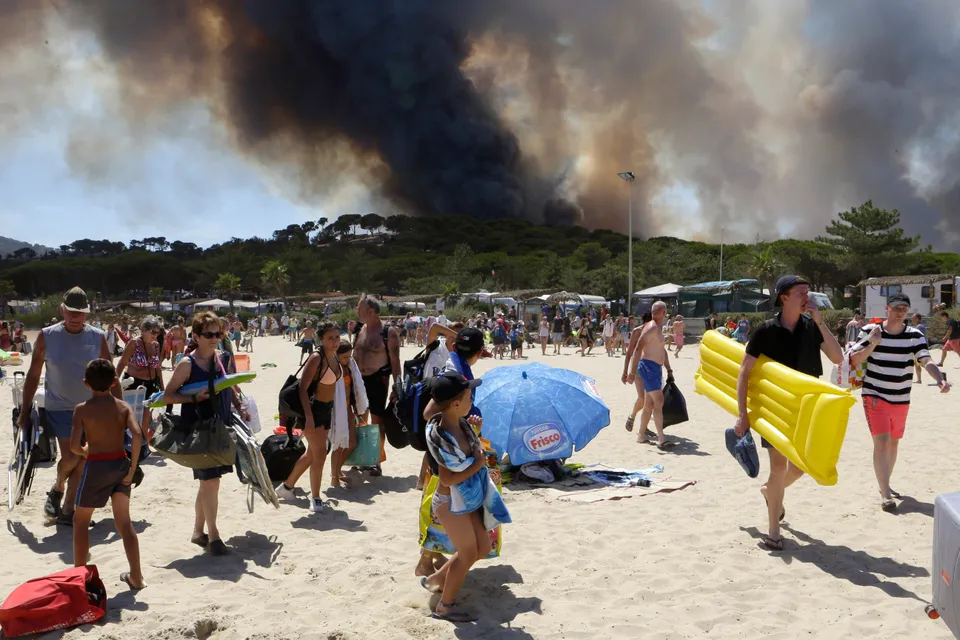
Travel is changing—fast. What once felt like a simple summer escape has become, in many places, a physical strain, a logistical gamble, and an ethical question. Rising global temperatures, extreme weather events, and the pressure of overtourism are reshaping how, when, and why we move through the world.
The good news is this: meaningful travel hasn’t disappeared. It has simply shifted. The future belongs not to the fastest traveler or the furthest flight, but to the most adaptable one. This guide offers a practical framework for climate-aware, sustainable travel—how to move from mass tourism to resilient, slower, and more grounded ways of experiencing place.
Why the Old Model of Travel Is Breaking Down
For decades, global travel followed a predictable rhythm. Summer meant movement. July and August were sacred. Entire economies, school calendars, and airline schedules bent around the idea of “peak season.”
Climate change has fractured that rhythm.
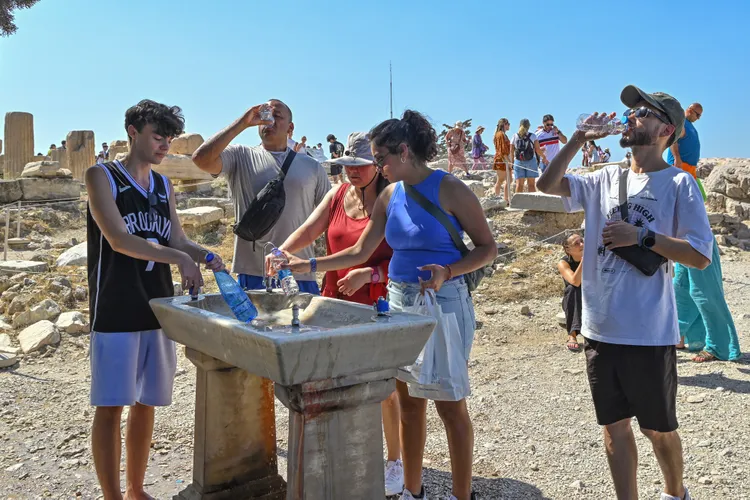
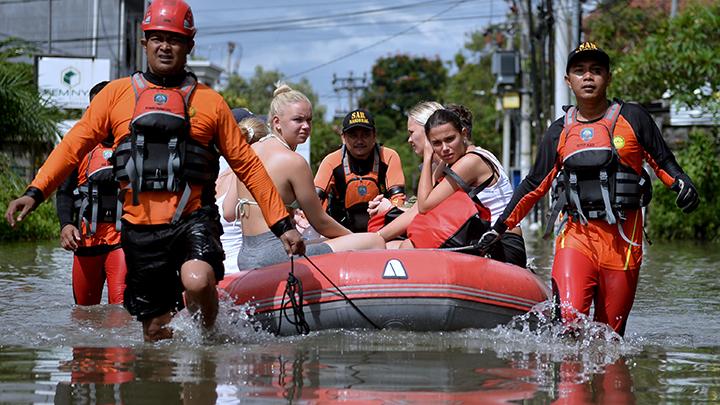
Heat domes across Southern Europe, record-breaking temperatures in North America, flash floods in Asia, and wildfire seasons that now stretch for months have turned peak travel periods into periods of risk. In recent years, popular destinations have closed landmarks, restricted outdoor movement, or declared emergencies due to heat and water shortages.
At the same time, overtourism—the concentration of too many visitors in too little space—has pushed fragile cities and ecosystems to their limits. Venice, Barcelona, Dubrovnik, Bali, Kyoto: these places are no longer struggling quietly. They are openly asking travelers to change their behavior.
Overtourism isn’t just about crowds. It strains housing markets, drives up local prices, erodes infrastructure, and reshapes cities around visitors rather than residents. In extreme cases, it turns living places into backdrops—beautiful, hollow, and increasingly hostile to both locals and travelers.
The traditional travel mindset—go far, go fast, go now—was built for a stable climate and cheap energy. We no longer live in that world.
The Rise of the Resilient Traveler
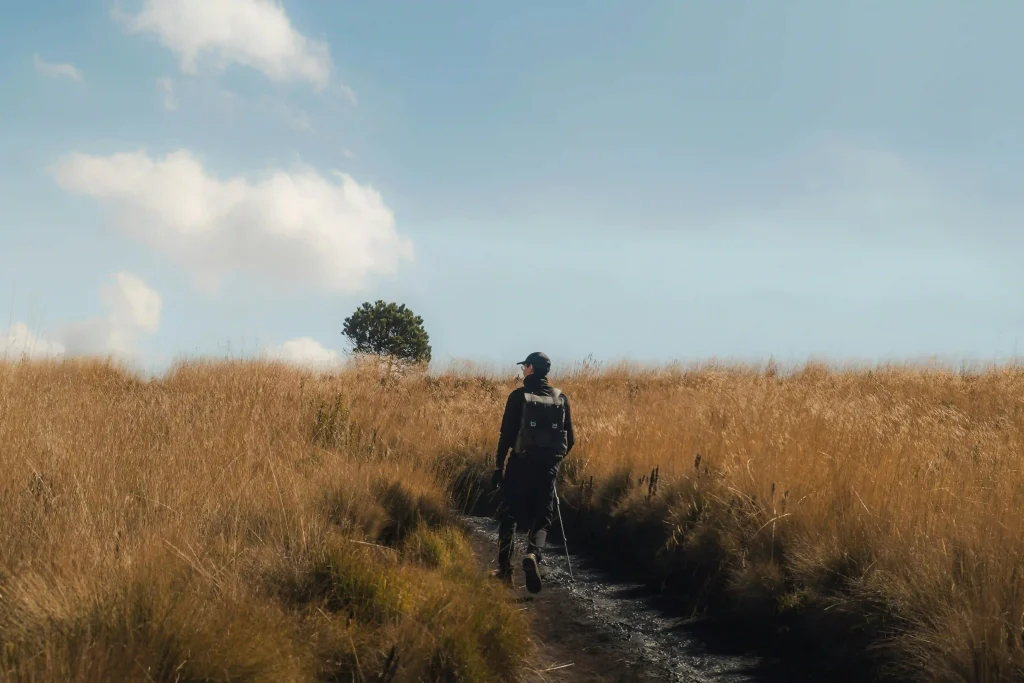
Resilient travel doesn’t mean giving up comfort, beauty, or discovery. It means learning how to move intelligently within new constraints.
A resilient traveler asks different questions:
- When is this place safest and most livable?
- How long can I stay instead of how many places can I see?
- How can I reduce strain on local systems while increasing my connection to place?
This shift isn’t about moral perfection. It’s about practicality, longevity, and depth.
1. Master the Shoulder and Deep Seasons
One of the most powerful tools for sustainable travel is timing.
Shoulder season travel—typically April to May and September to October in many regions—offers cooler temperatures, fewer crowds, and lower environmental stress. These months are increasingly the best time to visit destinations once dominated by summer tourism.
Beyond that lies deep season travel: visiting places during their quietest months. November in the Alps. February in Southern Europe. Early spring in the Baltics.
The trade-off is obvious: less sunbathing, fewer postcard-perfect skies. But the gain is substantial. Cities breathe. Museums empty. Locals return to their own streets. You experience a place as a lived environment, not a performance.
From an environmental perspective, spreading tourism across the calendar reduces peak strain on water, energy, transport, and emergency services. From a human perspective, it restores dignity to places overwhelmed by seasonal demand.
2. Slow Travel as Climate Adaptation
Slow travel is often framed as a lifestyle choice. Increasingly, it’s a survival strategy.
Rapid, multi-city itineraries depend on perfectly functioning systems: flights on time, trains running smoothly, weather behaving predictably. Climate disruption makes these assumptions fragile.
The two-week minimum rule—staying in one place for at least 10–14 days—creates flexibility. Missed connections matter less. Local disruptions become part of daily life rather than trip-ending crises.
Slow travel also changes your relationship to place. Renting an apartment, shopping at neighborhood markets, learning transit rhythms—these acts reduce resource intensity while increasing emotional return. You stop consuming a destination and start inhabiting it.
From a sustainability standpoint, fewer flights and longer stays dramatically reduce carbon emissions per day traveled. From a personal standpoint, stress drops. Memory deepens.
3. Regional Travel and the 1,000 km Rule
Distance has long been mistaken for depth.
In reality, some of the richest travel experiences exist closer to home, especially when explored slowly and seasonally. Regional travel—journeys within roughly 1,000 kilometers—reduces reliance on volatile long-haul flights and supports local economies more directly.
This approach also aligns with climate realities. Shorter journeys are easier to reschedule, less exposed to cascading disruptions, and often accessible by rail or ferry—modes of transport with lower environmental impact.
Equally important is the concept of micro-regions: culturally distinct areas within countries that maintain their own foodways, dialects, and rhythms. These places often sit just outside mass-tourism corridors and retain a strong sense of identity.
The future of meaningful travel lies not in ticking countries off a list, but in staying long enough to notice difference at a smaller scale.
Strategic Itineraries for a Warming World
To put these principles into practice, here are three “Coolcation” and “Shoulder Season” blueprints designed for 2026.
Itinerary A: The Alpine Wellness Circuit (October / November)
Focus: Deep Season, Minimalist Design, Thermal Stability.
- Days 1–5: Vals, Switzerland. Stay at the 7132 Hotel. Spend your days immersed in the quartzite thermal baths. In the “Deep Season,” the contrast between the crisp, biting mountain air and the mineral-rich $32^\circ\text{C}$ water creates a meditative, near-monastic experience.
- Days 6–10: The Dolomites, Italy. Take the local train toward the South Tyrol region. Base yourself in a “Bio-Hotel” that uses local timber and stone. Hike the lower trails where the Larch trees turn a brilliant gold—long after the summer climbers have departed.
Itinerary B: The Baltic Slow-Living Loop (May / June)
Focus: Cool Temperatures, Design Heritage, Coastal Resilience.
- Days 1–4: Stockholm, Sweden. Explore the archipelago by public ferry. Stay in a boutique hotel that prioritizes Swedish “Lagom” (just the right amount) and sustainable heating.
- Days 5–10: The Baltic Coast, Latvia. Take the overnight ferry to Riga. Rent a timber cottage in the seaside forest of Jūrmala. Spend your days “wild swimming” in the Baltic Sea and foraging for early-summer herbs. This is a region that remains refreshingly cool while the rest of Europe begins to bake.
Itinerary C: The Hokkaido “Ezo Fuji” Retreat (September)
Focus: Regional Beauty, Volcanic Heat, Autumnal Immersion.
Days 7–12: Noboribetsu Onsen. Base yourself in a traditional ryokan. Experience “Jigokudani” (Hell Valley), where you can sit in natural volcanic footbaths along the forest trails. The geological heat provides a stable, grounding luxury that feels ancient and resilient.
Days 1–6: Niseko & Mt. Yōtei. Avoid the winter ski rush and visit during the autumn harvest. Hike the trails around Mt. Yōtei (the Hokkaido Fuji) as the leaves begin to turn.
Conclusion: The Future of Travel Is Already Here
Travel is not ending. It is evolving.
The age of climate change and overtourism demands new habits, new calendars, and new definitions of luxury. In return, it offers something many travelers didn’t realize they were missing: stillness, depth, and genuine connection.
The resilient traveler doesn’t chase endless summer. They follow comfort, coherence, and care.
And in doing so, they discover that the world—cooler, quieter, and less crowded—is still profoundly worth exploring.



A really good blog and me back again.
Very good i like it